5 signs your geyser is about to fail?
28 June 2026
5 signs your geyser is about to fail?
By a Home Maintenance Expert | Updated June 2026
Your geyser (also known as a water heater or hot water cylinder) is one of the hardest-working appliances in your home — and one of the most overlooked. Most homeowners only notice it when it stops working entirely, often at the worst possible time. The good news? A failing geyser almost always gives you warning signs before it gives up completely.
Knowing what to look for can save you from a flooded ceiling, a cold shower, or a hefty emergency repair bill. Here are the 5 most important warning signs that your geyser is about to fail — and what you should do about each one.
Sign #1: Your Hot Water Is Rusty or Discoloured
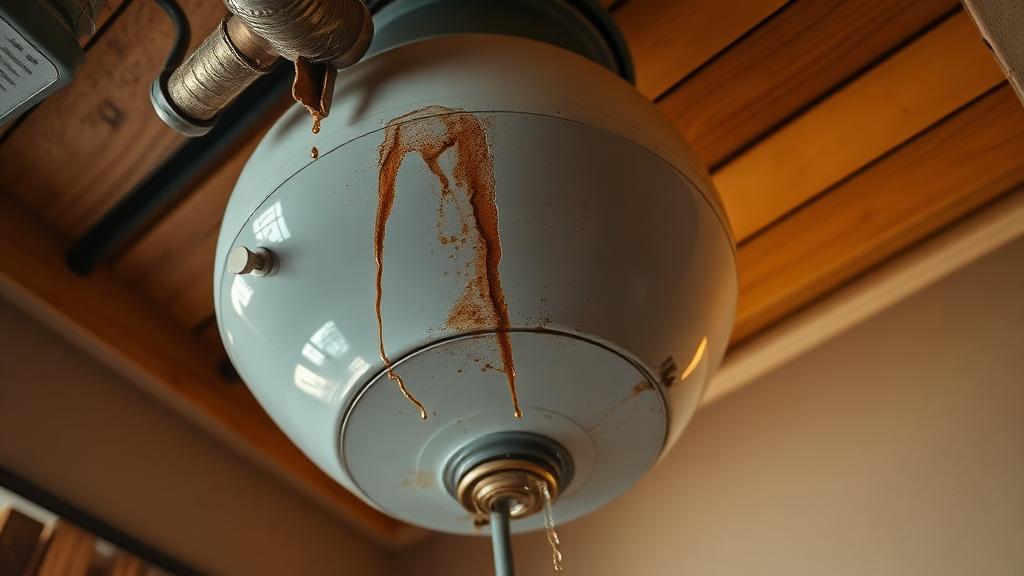
If the hot water coming out of your taps has a reddish-brown or muddy tint, your geyser is likely corroding from the inside. This is one of the clearest signs of geyser failure and should never be ignored.
Geysers are fitted with a sacrificial anode rod (usually made of magnesium or aluminium) that prevents the inner tank from rusting. Once this rod is depleted — typically after 3–5 years — the steel lining of the tank begins to corrode. Rust particles then mix into your water supply.
What to do: Have a licensed plumber inspect and replace the anode rod. If the tank itself has started to rust, a full geyser replacement is usually the safest and most cost-effective option.
SEO Tip for Homeowners: Searching for "rusty hot water from geyser," "discoloured hot water cause," or "hot water heater corrosion signs"? These are all pointing to the same problem — a dying anode rod or corroded tank.
Sign #2: Unusual Noises Coming from the Tank
A healthy geyser operates quietly. If you start hearing rumbling, banging, popping, or hissing sounds coming from the unit, something is wrong.
The most common cause is sediment build-up at the bottom of the tank. Over time, minerals like calcium and magnesium (particularly in areas with hard water) settle and accumulate. When the heating element fires up, water trapped beneath the sediment layer boils and creates those alarming sounds.
Excessive sediment:
- Reduces heating efficiency (higher electricity bills)
- Accelerates wear on the tank lining
- Increases the risk of overheating and pressure build-up
- Shortens the overall lifespan of your geyser
What to do: A plumber can flush the tank to remove sediment. If the tank has been neglected for many years, the damage may be too advanced to reverse, and geyser replacement becomes necessary.
Sign #3: Inconsistent or Inadequate Hot Water
Does your shower run cold after just a few minutes? Are you noticing that your hot water supply is unpredictable, lukewarm, or runs out faster than it used to? This is a classic symptom of a geyser nearing the end of its life.
Several issues can cause this:
- A failing heating element — the component responsible for heating the water is wearing out
- A faulty thermostat — the geyser can no longer maintain a consistent temperature
- Sediment insulation — a thick layer of sediment prevents the element from heating water efficiently
- Tank too small for demand — less likely if this is a new problem, but worth considering
Most residential geysers in South Africa are sized between 100 and 200 litres, and a properly functioning unit should comfortably meet household demand. If yours is underperforming despite adequate capacity, internal failure is the most probable cause.
What to do: Have a qualified plumber test the heating element and thermostat. Replacement of these parts is often affordable — but if the geyser is older than 8–10 years, replacing the entire unit may offer better long-term value.
Sign #4: Water Leaks or Moisture Around the Geyser
Any visible water pooling, dripping, or moisture around your geyser should be treated as an urgent warning sign. A leaking geyser is not just inconvenient — it can cause serious structural damage to your ceiling, walls, and electrical systems.
Common sources of leaks include:
- The temperature and pressure (T&P) relief valve — this safety valve releases water when pressure inside the tank gets too high. If it's dripping constantly, internal pressure is dangerously elevated.
- The inlet and outlet connections — fittings can loosen or corrode over time.
- The tank itself — internal rust and corrosion can eventually cause the tank to crack or split.
A cracked or split tank is irreparable. Once the tank itself is leaking, geyser replacement is the only solution.
What to do: Do not ignore even minor drips. Turn off the power supply and cold water inlet to the geyser, and call a plumber immediately. If the T&P relief valve is the source, this points to a serious pressure problem that needs urgent attention.
Important: A burst geyser can release hundreds of litres of water in minutes. If your geyser is installed in the roof space (as is common in South Africa), a burst can cause catastrophic ceiling damage. Routine inspections every 1–2 years are strongly recommended.
Sign #5: Your Geyser Is Over 10 Years Old
This one isn't a dramatic symptom — it's simply a matter of age and statistics.
The average lifespan of a residential geyser is 8 to 12 years, depending on water quality, usage patterns, and maintenance history. Once your geyser passes the 10-year mark, the risk of failure increases significantly with each passing year — even if it appears to be functioning normally.
Older geysers also tend to be far less energy-efficient than modern units. Upgrading to a heat pump water heater, solar geyser, or a new-generation energy-efficient electric geyser can reduce your hot water energy costs by 30–70%.
What to do: Check the serial number or installation label on your geyser to determine its manufacture or installation date. If it's over 10 years old, schedule a professional inspection and start planning for a proactive replacement — on your terms, rather than in a crisis.
When to Call a Professional
If you notice any combination of the signs above, don't delay. Water damage and emergency plumbing repairs are almost always more expensive than proactive geyser maintenance or replacement. A licensed plumber can:
- Inspect the anode rod and replace it if needed
- Flush sediment from the tank
- Test the heating element, thermostat, and pressure valve
- Advise on whether repair or full geyser replacement is more cost-effective
Quick Reference: Geyser Warning Signs at a Glance
| Warning Sign | Likely Cause | Urgency |
|---|---|---|
| Rusty or discoloured hot water | Corroded anode rod or tank | High |
| Rumbling or banging noises | Sediment build-up | Medium–High |
| Inconsistent or lukewarm water | Failing element or thermostat | Medium |
| Leaks or moisture around the unit | Pressure valve, fittings, or cracked tank | Very High |
| Geyser older than 10 years | End of service life | Plan replacement |
Final Thoughts
Your geyser works silently in the background every day, and it's easy to forget about it until something goes wrong. But the signs of failure are almost always there if you know what to look for. Rusty water, strange noises, inconsistent hot water, visible leaks, and old age are your geyser's way of telling you it needs attention.
Regular maintenance — including annual inspections, anode rod checks, and tank flushes — can significantly extend your geyser's lifespan and prevent costly emergencies. When replacement is necessary, it's also an opportunity to upgrade to a more energy-efficient system and reduce your monthly electricity bill.
Don't wait for a burst geyser to take action. A small inspection today can prevent a major disaster tomorrow.
Keywords: geyser failing signs, geyser replacement, hot water heater problems, geyser leaking, rusty hot water, geyser making noise, water heater lifespan, geyser maintenance, burst geyser, geyser repair South Africa, when to replace geyser, geyser anode rod, sediment in water heater, T&P relief valve, energy-efficient geyser