5 signs your water bill is too high?
28 June 2026
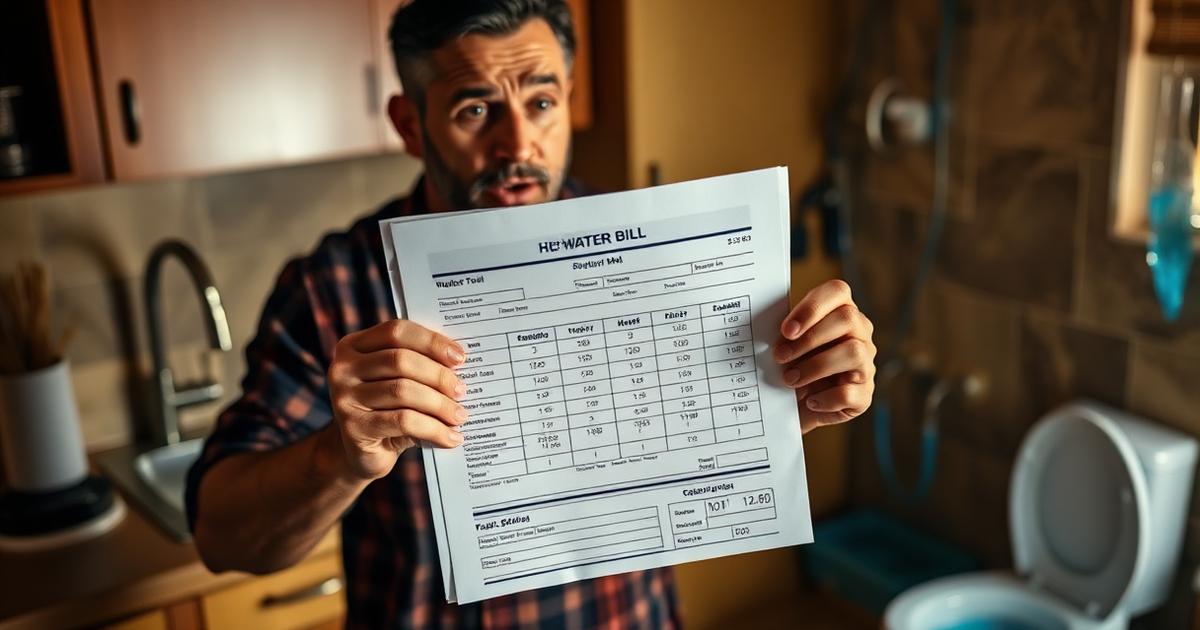
Most South African homeowners only look at their water bill when it arrives — and by then, if something has been leaking, running, or wasting water for the past month, the damage is already done. A water bill that creeps up gradually is easy to dismiss as a tariff increase. One that doubles overnight demands attention. But both situations share the same root cause: water is being used somewhere on your property that you are not aware of.
The five signs below are the most reliable indicators that your water bill is higher than it should be — what each one means, what is likely causing it, and exactly what to do about it.
Before You Start: The 15-Minute Water Meter Test
Before investigating any specific fixture or appliance, spend 15 minutes performing this test. It tells you immediately whether your property has a leak — and roughly how serious it is.
How to do it:
- Switch off every tap, appliance, and water-using device in the home — including the washing machine, dishwasher, irrigation system, and ice maker
- Locate your water meter (usually in a small covered box near your front boundary wall or garden gate)
- Note the current reading and observe whether the meter dial or small red indicator triangle is moving
- Wait exactly 15 minutes without using any water anywhere in the home, then check the dial again
What the result tells you:
- Dial is moving with all water off — you have a leak somewhere on your property. The faster the movement, the larger the leak. Proceed through the five signs below to identify it.
- Dial is completely still — the usage spike may be billing-related: a tariff increase, a meter reading catch-up after an estimated bill, or crossing into a higher consumption tier. Contact Johannesburg Water on 0860 562 874 to query.
Sign 1: Your Geyser Is Working Harder Than It Should
Why the geyser matters most:
The geyser is the single largest electricity and water consumer in the average South African home. It accounts for 30%–40% of the monthly electricity bill — and when it develops a fault, it can simultaneously drive up both your electricity and water bills without any obvious visible symptom.
How a failing geyser inflates your water bill:
A geyser that is working harder than it should due to internal faults does not just cost more to run electrically — it can actively waste water through three specific failure modes:
A constantly discharging T&P valve. The Temperature and Pressure Relief (T&P) valve is the geyser's primary safety device. It opens automatically when the pressure or temperature inside the tank exceeds safe limits. If the thermostat is failing and allowing the geyser to overheat, or if the Pressure Limiting Valve (PLV) is not regulating incoming municipal pressure correctly, the T&P valve will open and discharge water repeatedly — often through an overflow pipe that exits through the outside wall of your home or into the drip tray in the roof space. This water discharge is continuous and invisible from inside the home, and can waste hundreds of litres daily.
A leaking or weeping geyser tank. As a geyser ages — the typical lifespan is 8–12 years — internal corrosion can cause pinhole leaks in the tank wall. Water seeps out slowly into the drip tray, which overflows and either causes ceiling damage or exits through the overflow pipe. Like the T&P valve discharge, this is often entirely invisible from inside the home.
A degraded element causing extended heating cycles. A geyser element coated in limescale (common in Johannesburg due to moderately hard water from Rand Water's Vaal Dam supply) must run for significantly longer to achieve the same water temperature. Extended heating cycles put additional thermal stress on the tank, the T&P valve, and the PLV — all of which can begin discharging water in response to repeated pressure fluctuations.
Signs your geyser is contributing to a high water bill:
- Water dripping from an exterior overflow pipe on your outside wall — this pipe should only discharge water occasionally, not continuously
- A constantly wet or overflowing drip tray in the roof space
- Unusually high electricity bills alongside a high water bill
- Popping, rumbling, or cracking sounds from the geyser during heating cycles (limescale build-up)
- Your geyser is more than 8–10 years old and has not been serviced recently
What to do: Switch off the electricity to the geyser at the DB board if you suspect it is actively leaking or overheating. Then call a PIRB-registered plumber to inspect the T&P valve, PLV, thermostat, element, and tank condition. A geyser service costs R800–R2,000 and can identify all of these issues before they become catastrophic failures. A failed T&P valve costs R400–R1,200 to replace; a failed element costs R1,200–R3,000. These are small costs relative to the water and electricity waste of an untreated fault — or the R7,000–R18,000 cost of an emergency geyser replacement.
Sign 2: A Toilet That Runs, Trickles, or Refills By Itself
The silent water waster:
A toilet cistern that leaks water continuously into the bowl — even very slowly — is one of the most common causes of unexplained high water bills in South African homes. The leak is often completely inaudible: no running water sound, no visible overflow, no dripping. Just a silent, continuous trickle that the water meter registers faithfully month after month.
A slow cistern leak wastes between 200 and 400 litres per day — between 6,000 and 12,000 litres per month from a single toilet. At Johannesburg Water's residential tariff rates, this adds R200–R600 per month to your bill, silently and without any obvious sign.
The most common causes:
- A worn or warped flapper valve — the rubber seal at the bottom of the cistern that controls the release of water into the bowl. When the flapper degrades, warps, or accumulates mineral deposits, it fails to seat properly, allowing a continuous trickle through to the bowl.
- A misadjusted or faulty float valve — if the water level in the cistern is set too high and reaches the overflow tube, water continuously exits into the bowl through the overflow, with no audible sound at all.
- A cracked overflow tube — in older cisterns, the internal overflow tube can develop cracks that allow continuous water loss at levels below the normal overflow threshold.
Note: Drop-in cistern tablets and chemical rim blocks release concentrated bleach directly into the cistern water. The flapper valve — made of rubber — sits in constant contact with this chemically treated water and degrades rapidly as a result. If you use in-cistern chemical products, this is the likely cause of your flapper failure.
How to test for a leaking cistern: Add several drops of food colouring to the cistern water. Wait 10–15 minutes without flushing. If colour appears in the toilet bowl, the cistern is leaking into the drain — even if you cannot hear or see it.
What to do: A flapper valve replacement costs R300–R900 and a plumber can complete it in under an hour. If the float valve is misadjusted, the fix is free — adjust the float arm or screw to lower the water level below the overflow tube. If the float valve itself is worn, replacement costs R600–R1,800.
Sign 3: Dripping Taps You Have Learned to Ignore
The drip that adds up:
A single tap dripping at a rate of one drop per second wastes approximately 31 litres per day — just over 950 litres per month. Most homes with a dripping tap have more than one. Three dripping taps at the same rate produce almost 3,000 litres of wasted water per month — approaching 3 kilolitres, which in Johannesburg's tiered water tariff system can push your household into a significantly higher billing tier, where every kilolitre costs more.
Why taps drip:
- Worn rubber washers in traditional compression taps — the most common cause in South African homes
- Degraded or scored ceramic disc cartridges in modern mixer taps — often accelerated by Johannesburg's moderately hard water, which deposits limescale between the discs
- Corroded or scored tap seats — caused by over-tightening a tap in an attempt to stop a drip, which compresses and scores the seat rather than fixing the washer
- Worn O-rings on the tap spindle, causing leaking around the tap body rather than from the spout
The cost of doing nothing: Beyond the water cost, a dripping tap on a scored seat will worsen progressively. A simple washer replacement that costs R300–R500 becomes a full tap re-seating repair (R600–R1,500) if left until the seat is damaged. Left longer still, the entire tap fitting may need replacement.
What to do: Call a plumber to replace all worn washers and cartridges in a single visit — addressing every dripping tap at once minimises call-out costs and eliminates the cumulative monthly water waste in one appointment.
Sign 4: Hidden Pipe Leaks — The Leak You Cannot See
The highest-cost hidden problem:
An underground or in-wall pipe leak is the most expensive variant of the high water bill problem — both in terms of the water wasted and the repair cost once it is finally discovered. A small underground pipe leak can discharge between 500 and 2,000 litres per day without any visible sign at the taps, walls, or floors.
What makes underground and in-wall leaks particularly damaging in Johannesburg is the combination of factors that accelerate them:
- Dolomite-prone soils in large parts of Johannesburg (particularly in the northern suburbs, parts of the West Rand, and areas along the geological Dolomite Risk Management Areas) cause ground movement that stresses buried pipes
- Ageing galvanised steel supply pipes in homes built before the 1980s corrode from the inside, developing pinhole leaks and eventually splitting
- Tree root intrusion — roots from established trees in older Johannesburg suburbs actively seek out moisture and can crack or crush buried water supply pipes
- Soil erosion after heavy summer thunderstorms disturbs buried pipe runs and can cause joint failures
Warning signs of a hidden pipe leak:
- Wet or boggy patches in the garden with no recent rainfall
- Unusually lush or fast-growing grass over one section of the garden (a pipe leak fertilises and waters this area continuously)
- A water meter dial that moves with all taps turned off
- Damp patches on walls, floors, or ceilings that appear slowly and without an obvious source
- A gradual reduction in water pressure across the home over months
- An unexpectedly high water bill with no obvious explanation
What to do: If your water meter is moving with all taps off and you cannot find the source, call a PIRB-registered plumber who offers professional leak detection services. Acoustic leak detectors can locate underground leaks without excavation by listening for the specific sound signature of pressurised water escaping through a pipe wall. CCTV pipe cameras can inspect the interior of drain pipes for cracks and joint failures. Underground pipe repairs range from R3,500–R15,000+ depending on the depth and location of the leak.
Sign 5: Your Irrigation System Is Leaking or Stuck On
The overlooked outdoor water user:
Automated irrigation systems are one of the most underestimated sources of water bill spikes in Johannesburg homes — particularly in the wealthier northern suburbs where large garden areas and automated watering systems are common.
A single irrigation zone solenoid valve that fails in the open position runs that zone continuously — 24 hours a day — typically unnoticed because irrigation systems operate on timers, often running at night or early morning when no one is watching. A typical garden irrigation zone running at 6–10 litres per minute, left stuck open, wastes between 8,640 and 14,400 litres per day — enough to push even a large household into the highest municipal water tariff tier within days.
Other irrigation-related water waste causes:
- Cracked or dislodged underground irrigation pipes that leak between scheduled watering cycles with no surface spray visible
- Broken sprinkler heads that spray at full volume even when the zone is supposed to be off
- An irrigation controller timer that has lost its programming (after a power outage, for example) and is running zones continuously or at incorrect intervals
- Irrigation pipes damaged by gardening tools, vehicle movement, or tree root intrusion
Warning signs of an irrigation leak:
- Noticeably soggy or waterlogged sections of the garden that are not connected to rainfall
- Sections of lawn that are unusually lush compared to surrounding areas
- The sound of water running from the irrigation controller enclosure when the system should be off
- High water bills that arrived after a period of extended load shedding (which can reset irrigation controllers)
What to do: Run each irrigation zone manually and walk the full area looking for broken heads, surface pooling, and evidence of underground leakage. Check the irrigation controller programming after any power interruption. If you find a stuck solenoid valve or underground irrigation pipe leak, call a plumber or irrigation specialist — solenoid valve replacement typically costs R500–R1,500 per valve.
What These 5 Signs Can Cost You Per Month
| Source of Waste | Estimated Daily Loss | Est. Monthly Loss | Approx. Monthly Cost* |
|---|---|---|---|
| Leaking geyser T&P valve | 100–500 L/day | 3,000–15,000 L | R100–R750 |
| Running toilet cistern | 200–400 L/day | 6,000–12,000 L | R200–R600 |
| 3 dripping taps | ~90 L/day | ~2,700 L | R100–R300 |
| Underground pipe leak | 500–2,000 L/day | 15,000–60,000 L | R500–R3,000+ |
| Stuck irrigation solenoid | 8,640–14,400 L/day | 260,000–430,000 L | R8,000–R22,000+ |
Based on Johannesburg Water residential tariff tiers. Actual cost depends on total consumption band.
Can You Claim a Credit from Johannesburg Water?
If a hidden leak has caused a significant spike in your water bill, you may be eligible for a once-off leak adjustment from Johannesburg Water. The credit is calculated based on the spike above your average consumption over the previous 3–6 months. To qualify:
- The leak must be repaired and proof of repair must be submitted — your plumber's invoice and Certificate of Compliance (CoC) from a PIRB-registered plumber
- The application must be made promptly after discovery and repair
- Your account must be in good standing with no outstanding arrears
Contact Johannesburg Water on 0860 562 874 or visit your nearest customer walk-in centre to enquire about the leak adjustment application process.
Need a Plumber in Johannesburg to Find and Fix the Problem?
If your water meter is moving with all taps off, your bill has spiked without explanation, or you have identified one of the five warning signs above — Joburg Plumbers connects you with verified, PIRB-registered plumbers and leak detection specialists across all areas of Johannesburg, including Sandton, Randburg, Roodepoort, Midrand, Fourways, Soweto, Boksburg, Germiston, Kempton Park, and across the East Rand, West Rand, Joburg North, and Joburg South regions.
Every day you wait is another day's water — and another day's bill.
This article is intended as general guidance only. Always use a PIRB-registered plumber for leak detection, pipe repairs, geyser servicing, and all plumbing installations in South Africa.