Bathroom Plumbing Problems - What To Do vs Not To Do?
24 June 2026
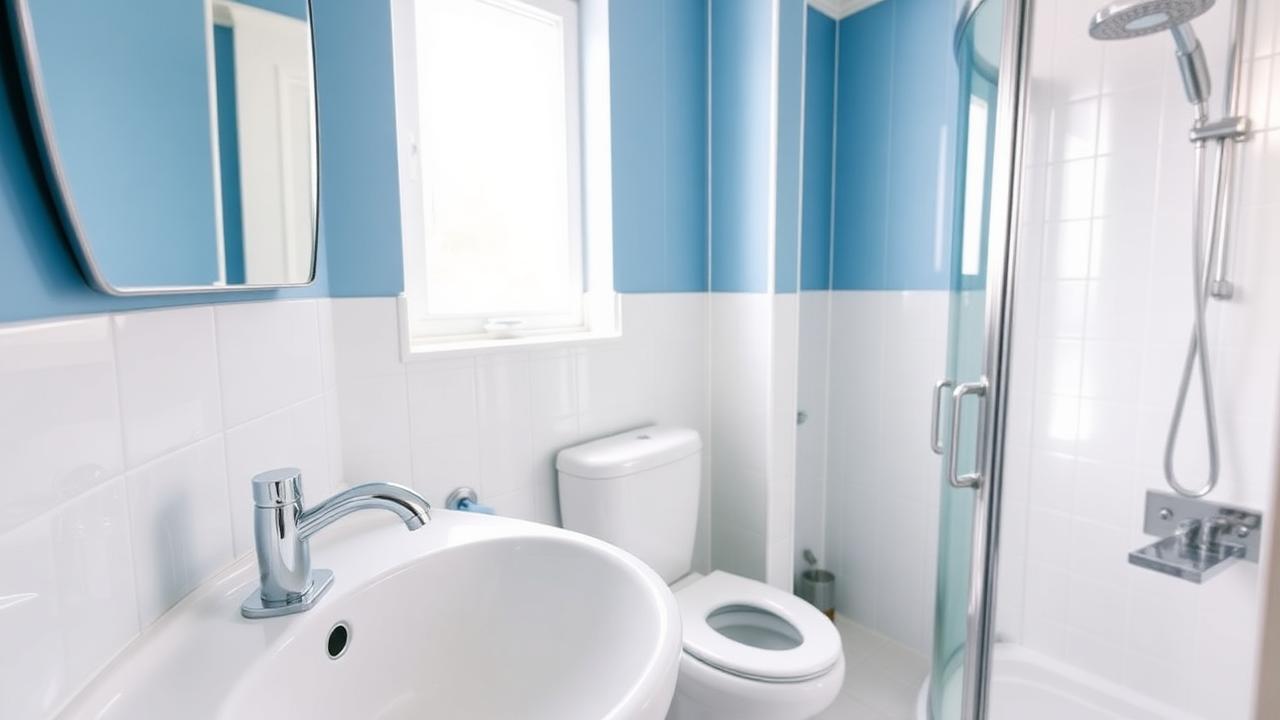
Your bathroom is the most plumbing-intensive room in your home. It contains more valves, seals, joints, drains, and water-using fixtures per square metre than anywhere else — and when something goes wrong, the temptation to grab a wrench or pour something down the drain and fix it yourself is strong. Sometimes that instinct is right. Often, it makes things significantly worse.
This guide gives you a clear, practical breakdown of the most common bathroom plumbing problems South African homeowners face, what you should do first, and — just as importantly — what you should never do.
1. Blocked Bathroom Drain (Basin, Bath, or Shower)
✅ What TO Do
-
Remove the drain cover and clear visible debris first. Hair is the primary cause of bathroom drain blockages. Use needle-nose pliers, a drain hook, or a bent wire coat hanger to physically remove accumulated hair and soap scum from just inside the drain opening. This resolves the majority of bathroom drain blockages without any chemicals at all.
-
Use a cup plunger correctly. For basin and bath drains, use a flat-cup plunger. Cover the overflow opening with a wet cloth before plunging — this ensures the suction acts on the blockage rather than escaping through the overflow channel. Plunge firmly with an up-and-down motion for 30–60 seconds.
-
Try baking soda and white vinegar. Pour half a cup of baking soda into the drain, followed by half a cup of white vinegar. Leave for 20–30 minutes to allow the fizzing reaction to lift organic deposits from the pipe walls, then flush with hot water. Safe for all pipe types and safe for septic systems.
-
Use a drain snake (hand auger) for blockages deeper than the plunger can reach. A flexible drain snake can navigate the P-trap and reach further into the drain pipe to physically break up or retrieve the blockage.
-
Fit a hair catcher once the drain is clear. This inexpensive, widely available device sits over the drain opening and catches hair before it enters the pipe. It is the single most effective prevention tool for bathroom drain blockages.
❌ What NOT To Do
-
Do not use caustic soda or sodium hydroxide drain cleaners. These generate intense heat — sometimes exceeding 80°C — that softens and warps PVC drain pipes, particularly at joints. Repeated use causes brittleness and cracking, and the corrosive chemicals attack rubber seals and gaskets throughout the drain system.
-
Do not use sulphuric acid drain cleaners. Widely available in South Africa under various brand names, sulphuric acid drain cleaners are among the most dangerous products a homeowner can use. They destroy rubber seals, attack pipe joints, and react violently with water — causing spattering that can cause severe chemical burns.
-
Do not mix chemical drain products. Bleach and acid-based cleaners produce chlorine gas when combined. Caustic soda and acid cleaners produce violent, unpredictable reactions. Even combining two different "drain cleaners" can be hazardous.
-
Do not pour boiling water into a porcelain basin or toilet. Sudden extreme temperature changes can crack porcelain. Use very hot (not boiling) water for drain flushing in bathroom fixtures.
2. Dripping or Leaking Tap
✅ What TO Do
-
Identify the type of tap. South African homes have two main tap types: traditional compression taps (with rubber washers) and modern ceramic disc cartridge taps. The repair approach differs for each. A compression tap drips when the rubber washer is worn. A ceramic disc tap leaks when the disc or cartridge is cracked or contaminated with sediment.
-
Turn off the water supply to the tap before attempting any repair. Each tap should have an individual isolation valve beneath it or inside the vanity cabinet. Turn it clockwise to close. If no isolation valve is present — common in older homes — shut off the main water supply at the boundary.
-
Replace the washer or cartridge. For compression taps, remove the tap head (usually a small screw under the hot/cold indicator cap), unscrew the headgear, and replace the rubber washer at the bottom. For ceramic disc taps, the cartridge can usually be pulled out and replaced like-for-like. Take the old part to a hardware store for accurate matching.
-
Call a licensed plumber if the tap body or seat is corroded, if the leak continues after washer replacement, or if the tap is a mixer type with a complex cartridge you are not confident replacing.
❌ What NOT To Do
-
Do not over-tighten a dripping tap in an attempt to stop the drip. This is one of the most common DIY mistakes in South African homes. Forcing a tap tighter when the washer is worn does not stop the drip — it crushes and distorts the washer further and can score the tap seat, creating a leak that no washer can fix. A scored tap seat requires a plumber with a tap re-seating tool to repair.
-
Do not leave a dripping tap unrepaired. A tap dripping once per second wastes approximately 31 litres per day — over 900 litres per month from a single tap. At Johannesburg Water tariff rates, this adds meaningful cost to your monthly bill and contributes to water loss in a water-scarce country.
-
Do not use plumber's tape (PTFE tape) to seal a leaking tap outlet. PTFE tape is for sealing threaded pipe joints — not for repairing leaking tap washer seats or spout connections.
3. Running or Overflowing Toilet Cistern
✅ What TO Do
-
Remove the cistern lid and diagnose visually. Most toilet cistern problems are immediately identifiable by looking inside. The two most common causes of a running cistern are: a faulty flapper valve (rubber seal at the bottom that is not seating properly) and a misadjusted or failed float valve (the mechanism that stops water filling once the cistern is full).
-
Test the flapper first. Press down gently on the flapper while the cistern is running. If the water stops, the flapper is not sealing correctly and needs replacement. Flappers are inexpensive and available at most hardware stores.
-
Adjust or replace the float valve if the water level is too high and spilling into the overflow tube. On older ballcock valves, bend the float arm slightly downward to lower the shut-off level. On modern diaphragm valves, adjust the float height using the adjustment screw.
-
Check that the water level sits approximately 20–25mm below the top of the overflow tube. If it is above this level, the cistern will continuously discharge into the bowl regardless of flapper condition.
-
Call a licensed plumber if you replace the flapper and the cistern continues running, or if the fill valve diaphragm is worn and needs replacement.
❌ What NOT To Do
-
Do not use drop-in cistern tablets or in-tank cleaning blocks. These products release concentrated bleach and chemical compounds directly into the cistern water. The flapper valve — made of rubber — sits in constant contact with this treated water. The result is accelerated rubber degradation: the flapper warps, fails to seal, and the cistern runs continuously. Many toilet manufacturers explicitly void warranties when in-cistern chemical tablets are used.
-
Do not ignore a running cistern. A leaking cistern flapper wastes between 200 and 400 litres of water per day — silently and invisibly. It is one of the primary causes of unexplained spikes in water bills. It also contributes to premature wear of all internal cistern components.
-
Do not attempt to repair the cistern while water supply is still on. Always close the toilet isolation valve (behind or below the cistern) before removing or replacing any internal components.
4. Toilet Blockage and Overflow
✅ What TO Do
-
Stop flushing immediately. This is the most important first step. Every additional flush pumps more water into an already blocked or backed-up system and increases the risk of overflow.
-
Remove the cistern lid and push the flapper down manually to prevent more water entering the bowl while you assess the situation.
-
Use a flange plunger — not a flat cup plunger. A flange plunger has a rubber flange extension that fits into the toilet drain opening, creating a proper seal for effective suction. Position it over the drain, ensure a seal, and plunge with firm up-and-down strokes for 30–60 seconds.
-
Use a toilet auger (closet auger) if plunging does not clear the blockage. A toilet auger is a flexible cable tool specifically designed to navigate the toilet's internal S-trap without scratching the porcelain.
-
Clean and disinfect all overflow water immediately with rubber gloves, mop, and a proper disinfectant. Treat toilet overflow water as contaminated — it contains bacteria and pathogens.
❌ What NOT To Do
-
Do not use chemical drain cleaners on a toilet blockage. Toilet blockages are almost always physical — caused by too much toilet paper, non-flushable wipes, or a foreign object. Chemical drain cleaners do not dissolve these materials. They sit in the blocked drain, doing nothing useful while creating a caustic chemical hazard that your plumber will then have to work around.
-
Do not flush "flushable" wipes. Wet wipes — regardless of how they are labelled — do not break down in water the way toilet paper does. They are the leading cause of recurring toilet blockages and the formation of "fatberg" blockages deep in sewer lines. The only things that should ever be flushed are human waste and toilet paper.
-
Do not use a flat-cup plunger on a toilet. A flat plunger cannot create an adequate seal in the toilet drain outlet and is largely ineffective for toilet blockages.
5. Low Water Pressure in the Bathroom
✅ What TO Do
-
Identify whether the low pressure affects all taps or just one. If only one tap or shower has low pressure, the issue is likely localised — a partially closed isolation valve, a blocked aerator (the small mesh screen at the end of the tap spout), or a failed cartridge in a mixer tap.
-
Clean or replace the aerator. Unscrew the aerator from the tip of the tap spout (usually hand-tight or requiring a cloth for grip). Rinse it under running water, soak in white vinegar for 30 minutes to dissolve limescale, and refit. This resolves a surprising number of "low pressure" complaints.
-
Check isolation valves. Ensure all isolation valves under basins and to showers are fully open. A valve left partially closed after a previous repair is a common cause of localised low pressure.
-
Check your home's pressure-limiting valve (PLV). If all taps in the home have low pressure, the PLV may have failed or become partially blocked. The PLV is located near the water meter and regulates incoming municipal pressure to a safe working level. A failing PLV must be replaced by a licensed plumber.
❌ What NOT To Do
-
Do not remove the showerhead and leave the supply pipe open to "test pressure" without ensuring the water supply is turned off first. This seems obvious but is frequently the cause of unexpected flooding during DIY pressure investigations.
-
Do not attempt to adjust or remove the pressure-limiting valve yourself. Incoming municipal water pressure can be significantly higher than the PLV's regulated output — sometimes exceeding 800kPa. Removing a PLV without understanding the upstream pressure can result in immediate pipe damage and flooding.
6. Sewer Smell or Bad Odour from Bathroom Drains
✅ What TO Do
-
Run the tap for 30 seconds in any bathroom that hasn't been used recently. The most common cause of sewer smell in a bathroom is a dry P-trap. The P-trap (the U-shaped pipe under every drain) holds a small amount of water that physically blocks sewer gases from rising into the room. In a guest bathroom or holiday home, this water evaporates — and refilling it takes just 30 seconds.
-
Clean the overflow channel. Pour a diluted bleach solution (1:10) or white vinegar into the overflow hole near the top of the basin and leave for 30 minutes. The overflow channel is one of the most overlooked locations for mould and odour-producing bacteria growth.
-
Inspect and replace mouldy silicone sealant. Black silicone sealant around the bath, basin, or shower is a significant odour source. Scrape it out completely and apply fresh sanitary-grade silicone sealant.
-
Call a licensed plumber if the sewer smell is persistent, sulphurous (rotten egg), or is present in multiple rooms simultaneously — this suggests a blocked vent pipe or a sewer line problem that requires professional diagnosis.
❌ What NOT To Do
-
Do not use excessive bleach or antibacterial cleaners to try to eliminate persistent drain odours. While diluted bleach has a role in surface disinfection, large volumes of bleach poured down drains kill the beneficial bacteria in septic systems and can accelerate corrosion of metal drain components.
-
Do not ignore a persistent rotten egg smell. Hydrogen sulphide — the gas responsible for the rotten egg odour from sewer gas — is toxic at high concentrations and explosive when mixed with air in sufficient quantities. A persistent sulphur smell that doesn't resolve after refilling the P-trap requires professional investigation.
When to Stop DIY and Call a Licensed Plumber
Some bathroom plumbing situations should go straight to a professional — no DIY first:
- Any leak from inside a wall, ceiling, or floor — hidden pipe leaks require professional leak detection equipment and cannot be reliably found by guesswork
- A blocked drain that doesn't clear after plunging and snaking — deeper blockages or main sewer line issues require professional jetting equipment
- Any geyser or hot water system problem — by law, geyser work must be carried out by a PIRB-registered plumber who issues a Certificate of Compliance (CoC)
- Persistent sewer gas smell — not a DIY diagnostic
- Any pipe work, new fixture installation, or tap replacement requiring pipe cutting or new connections — these require a PIRB-registered plumber and a CoC under South African law
- Water supply failure to a specific area — may indicate a failed PLV, a damaged meter, or a hidden burst pipe
In South Africa, all plumbing work — including bathroom plumbing repairs — must be carried out by a plumber registered with the Plumbing Industry Registration Board (PIRB). A Certificate of Compliance (CoC) is legally required after any significant repair or installation, and your home insurer will require one in the event of any water damage claim.
Quick Reference: Bathroom Plumbing Do's and Don'ts
| Problem | ✅ Do This First | ❌ Never Do This |
|---|---|---|
| Blocked drain | Remove hair; plunge; baking soda & vinegar | Caustic soda or sulphuric acid cleaners |
| Dripping tap | Replace washer or cartridge | Over-tighten the tap |
| Running cistern | Replace flapper; adjust float | Use in-cistern chemical tablets |
| Blocked toilet | Use flange plunger then auger | Flush wipes; use chemical drain cleaners |
| Low pressure | Clean aerator; check isolator valves | Remove or bypass the PLV |
| Sewer smell | Refill P-trap; clean overflow channel | Ignore persistent sulphur smell |
Need a Plumber in Johannesburg for a Bathroom Plumbing Problem?
Whether it's a blocked drain, a leaking tap, a running cistern, or a more serious hidden pipe leak — Joburg Plumbers connects you with verified, PIRB-registered plumbers across all areas of Johannesburg, including Sandton, Randburg, Roodepoort, Midrand, Fourways, Soweto, Boksburg, Germiston, Kempton Park, and across the East Rand, West Rand, Joburg North, and Joburg South regions.
Available for emergency call-outs and same-day bookings — because bathroom plumbing problems never wait for a convenient time.
This article is intended as general guidance only. Always use a PIRB-registered plumber for pipe repairs, fixture installations, and any plumbing work requiring a Certificate of Compliance in South Africa.