Burst Pipe? 7 Things to Do Before the Plumber Arrives
17 June 2026
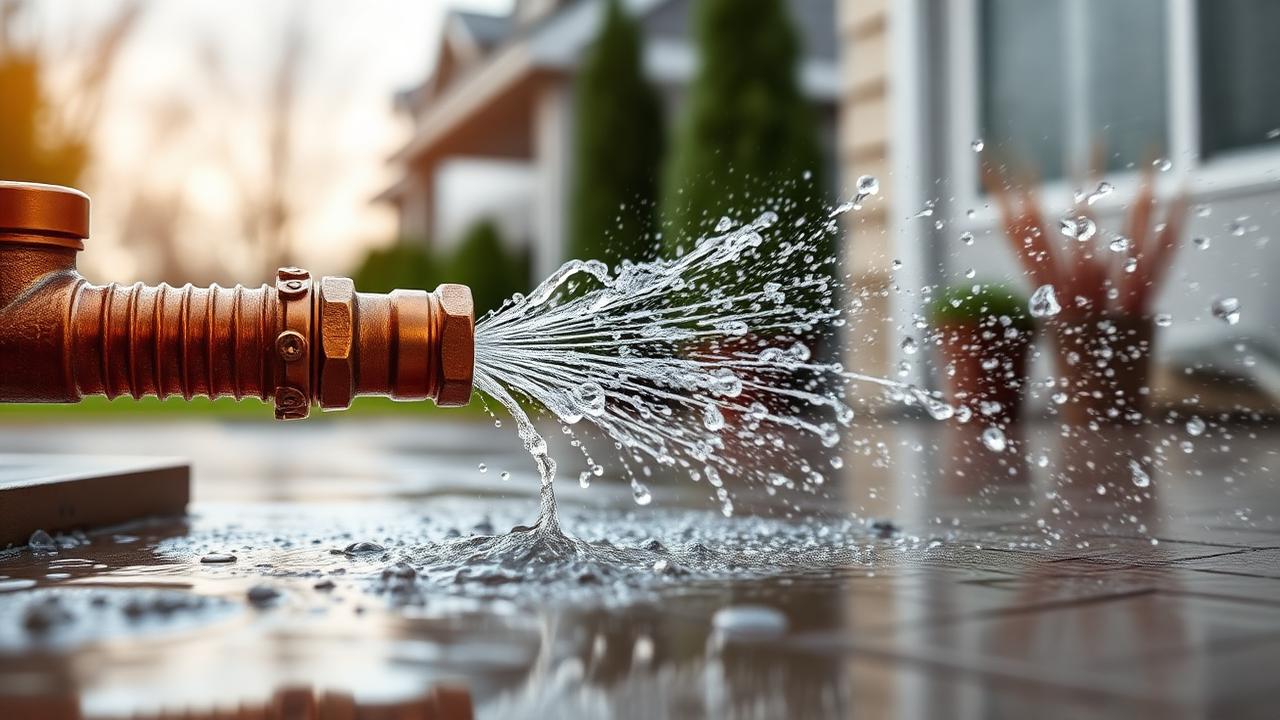
A burst pipe is a plumbing emergency that can cause devastating water damage to your home within minutes. The good news? The actions you take in the first 10–15 minutes before your plumber arrives can be the difference between a manageable repair and a R50,000 flood damage bill. Here's exactly what to do.
Why Burst Pipes Happen in South African Homes
Before we get into the steps, it helps to understand why pipes burst — because knowing the cause helps prevent the next one.
Common causes of burst pipes in Johannesburg and across South Africa include:
- Corrosion and ageing pipes — older galvanised steel or cast iron pipes deteriorate from the inside out
- High water pressure — municipal water pressure that exceeds 400kPa puts enormous stress on pipe joints and fittings
- Water hammer — the shockwave created when water flow is suddenly stopped, often by rapidly closing taps or solenoid valves
- Tree root intrusion — roots seek out moisture and can crush or penetrate buried pipes
- Ground movement and soil subsidence — common in Johannesburg due to dolomite-prone soils
- Freezing — rare but possible in Highveld winter nights, particularly in exposed exterior pipes
- DIY plumbing failures — improperly fitted joints or incorrect pipe materials
7 Things to Do Before the Plumber Arrives
1. 🔴 Shut Off the Main Water Supply — Right Now
This is the single most important step. Every second water continues flowing through a burst pipe, the damage compounds.
Locate your main water shut-off valve — this is typically found at the boundary of your property near the municipal water meter, or where the water supply enters your home. Turn it clockwise (or close the ball valve so it is perpendicular to the pipe) to cut the water supply entirely.
Don't know where your main shut-off valve is? Now is the time to find out — before the next emergency. In many Joburg homes it's near the front garden gate or at the bottom of the driveway.
⚠️ Important: If the burst pipe is near your geyser or any electrical fitting, switch off the relevant circuit at your DB board immediately. Never allow water to contact live electrical wiring.
2. 💧 Open Taps to Drain the System
After closing the main supply valve, open all cold water taps in your home. This drains any remaining water from the pipes and reduces pressure in the system, limiting how much water can continue to flow from the burst point.
Start with taps closest to the burst if possible, then work outward. Flush toilets once to empty the cisterns. Leave taps open until the flow stops completely.
3. ⚡ Switch Off the Electricity Where Water Is Present
Water and electricity are a lethal combination. If the burst pipe is anywhere near:
- Light fittings or ceiling lights (especially if water is coming through the ceiling)
- Power points or plug sockets
- Your electrical distribution board (DB board)
- Kitchen or bathroom appliances
...you must switch off the electricity to that area at the DB board. If water is pooling near the board itself, do not touch it — call an electrician and your emergency plumber simultaneously.
4. 🪣 Contain the Water — Minimise Damage Now
While waiting for your plumber, do everything possible to limit water spread:
- Place buckets, bowls, or large containers under active drips or leaks
- Use towels, blankets, or mops to absorb water on the floor
- Lift rugs and carpets off wet floors immediately — saturated carpets develop mould within 24–48 hours
- Move furniture, electronics, and valuables away from the wet area
- If water is coming through the ceiling, pierce a small hole in the lowest bulging point with a screwdriver to direct the flow into a bucket — this prevents the ceiling board from collapsing under the weight of trapped water
5. 📸 Document Everything for Your Insurance Claim
Before you start cleaning up, take photos and videos of:
- The burst pipe itself (if visible and safe to access)
- Water damage to walls, floors, ceilings, and carpets
- Affected furniture, appliances, and personal belongings
- The water meter reading (useful for proving water loss)
South African home insurance policies generally cover sudden and unforeseen water damage from burst pipes. However, insurers require photographic evidence taken at the time of the incident. Don't skip this step — it can mean the difference between a paid claim and a rejected one.
💡 Tip: Most building insurance policies in South Africa will also cover the cost of finding and accessing the burst pipe (known as "trace and access cover") in addition to the repair itself. Check your policy documents.
6. 🔧 Apply a Temporary Fix if the Burst Is Accessible
If the burst or crack is visible, small, and accessible, you can apply a temporary patch to slow the flow while waiting for your plumber. This is a stop-gap measure only — not a permanent repair.
Options for a temporary fix:
- Pipe repair tape (self-amalgamating tape): Wrap tightly around the burst section. Works best on dry or damp (not gushing) pipes.
- Pipe repair clamp: A metal clamp with a rubber gasket that fits over the burst point. Available at most hardware stores.
- Plumber's epoxy putty: Mouldable compound that hardens to seal small cracks. Follow the manufacturer's instructions — most require the surface to be dry.
- Rubber and hose clamp: In an emergency, a piece of rubber (from an inner tube, for example) held tightly in place with a hose clamp or jubilee clip can reduce flow.
⚠️ Never use tape or putty as a permanent solution. These methods may hold for hours or a day, but they will fail. A qualified plumber must make the proper repair.
7. 📞 Call a Licensed Emergency Plumber — and Your Insurer
With the immediate damage contained, call a registered emergency plumber as soon as possible. In South Africa, plumbing work must be carried out by a plumber registered with the Plumbing Industry Registration Board (PIRB). After completing the repair, they are legally required to issue a Certificate of Compliance (CoC) — which your insurer will request.
When you call, be ready to describe:
- Where the burst appears to be (inside wall, under floor, ceiling, garden)
- Whether water has been stopped at the main valve
- Whether there is any electrical risk
- The approximate age of your home and piping (if known)
Also notify your home insurer as soon as reasonably possible. Most policies require prompt notification of water damage claims. Your insurer may have a preferred plumber panel — using an approved contractor can streamline your claim.
What Happens When the Plumber Arrives?
A qualified plumber will:
- Inspect and locate the full extent of the burst — burst pipes sometimes have secondary damage points not immediately visible
- Cut out the damaged section and replace it with appropriate piping (copper, CPVC, or HDPE depending on the application)
- Pressure-test the repair to ensure no further weak points exist in the system
- Issue a Certificate of Compliance (CoC) as required by the National Building Regulations
- Advise on the root cause and recommend preventative measures
How Much Does a Burst Pipe Repair Cost in South Africa?
Burst pipe repair costs in South Africa vary depending on:
| Factor | Typical Cost Range |
|---|---|
| Simple exposed pipe repair | R800 – R2,500 |
| In-wall or under-floor pipe | R2,500 – R8,000 |
| After-hours / emergency call-out | R1,500 – R3,000 (call-out fee) |
| Leak detection (trace & access) | R1,500 – R5,000 |
| Full pipe re-route or repipe | R8,000 – R30,000+ |
Prices are indicative and vary by area, plumber, and extent of damage. Always get a written quote.
How to Prevent Burst Pipes in Future
Once the crisis is resolved, take these steps to protect your home:
- Install a pressure-limiting valve (PLV): Mandatory under South African building regulations. Keeps water pressure below 400kPa and dramatically reduces pipe stress.
- Insulate exposed pipes: Particularly important for pipes on exterior walls or in unheated roof spaces — especially heading into Highveld winter.
- Have your plumbing inspected regularly: An annual plumbing health check can identify corroded pipes, weak joints, and high-pressure issues before they fail.
- Know where your main shut-off valve is: Every adult in the household should know its location and how to operate it.
- Upgrade old galvanised pipes: Homes built before the 1980s often still have original galvanised steel pipes that are well past their lifespan. Re-piping with copper or CPVC is a worthwhile long-term investment.
- Monitor your water bill: An unexplained spike in water usage often signals a hidden leak. Catch it before it becomes a burst.
When Is a Burst Pipe Covered by Home Insurance?
South African home insurance (building insurance) typically covers burst pipe damage when:
✅ The burst was sudden and unforeseen (not due to gradual deterioration or neglect) ✅ You can provide photographic evidence taken at the time ✅ Repairs are carried out by a registered plumber who issues a CoC ✅ You notified your insurer promptly after the event
Common reasons insurers reject burst pipe claims:
- Evidence of long-term gradual leaking that was not reported
- Use of unlicensed plumbers
- Failure to take reasonable steps to minimise damage
- Claims made long after the event without documentation
Quick Recap: 7 Things to Do Before the Plumber Arrives
- ✅ Shut off the main water supply valve immediately
- ✅ Open all taps to drain remaining water from the pipes
- ✅ Switch off electricity in any area where water is present
- ✅ Contain the water with buckets, towels, and by moving valuables
- ✅ Document everything — photos and video for your insurance claim
- ✅ Apply a temporary patch if the burst is accessible and flow is manageable
- ✅ Call a PIRB-registered emergency plumber and notify your insurer
Need an Emergency Plumber in Johannesburg Right Now?
If you're dealing with a burst pipe in Joburg, Joburg Plumbers connects you with verified, PIRB-registered emergency plumbers across all areas — including Sandton, Randburg, Roodepoort, Midrand, Soweto, Boksburg, Germiston, Kempton Park, and the broader East Rand, West Rand, Joburg North, and Joburg South regions.
Don't wait — water damage gets worse by the minute.
This article is intended as general emergency guidance only. Always use a PIRB-registered plumber for all pipe repairs and installations. If you are unsure about electrical safety, do not approach the affected area — contact an emergency electrician immediately.