Damp In Your Walls: Causes, Damages And Effects
10 July 2026
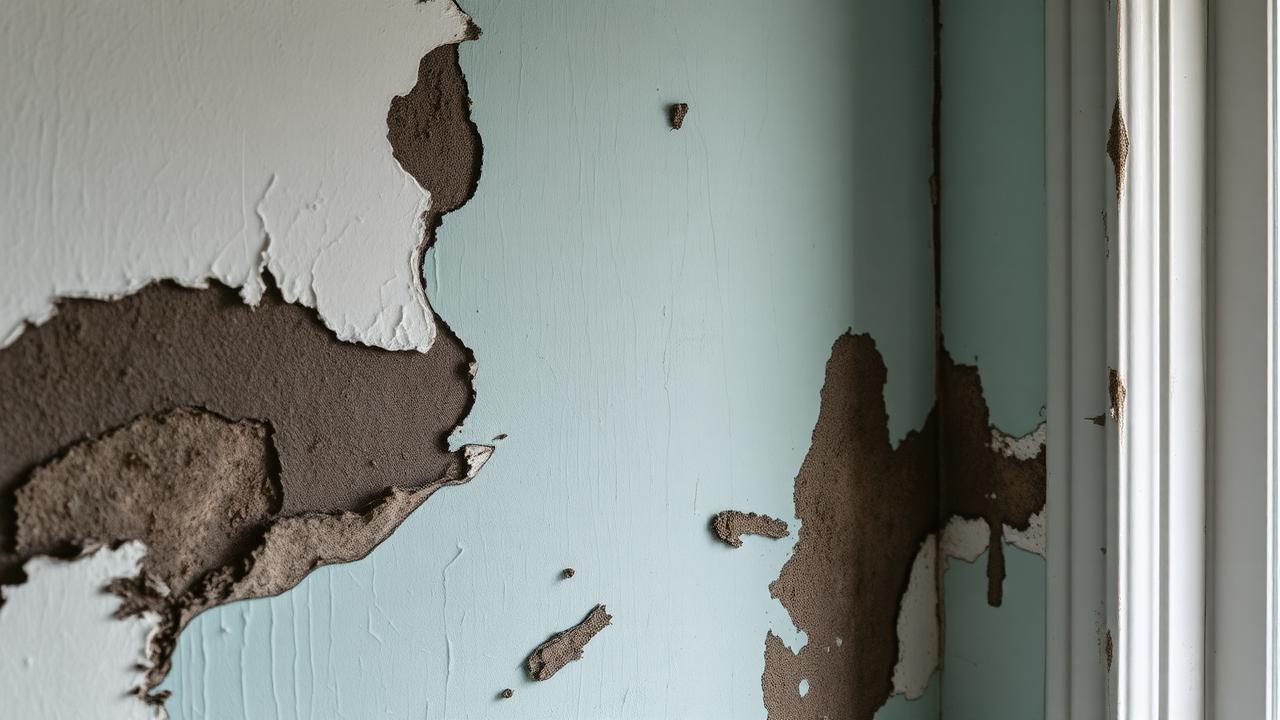
If you've noticed a musty smell, peeling paint, or dark patches creeping across your walls, you're dealing with one of the most common — and most misunderstood — problems in Johannesburg homes: damp. Unlike a burst pipe or an overflowing toilet, damp rarely announces itself with a flood. It builds quietly, often for months, before the damage becomes impossible to ignore.
This guide breaks down exactly what causes damp in Joburg walls, what it does to your home and your health, and how to tell which type of damp you're dealing with before you call in help.
What Is Damp, Exactly?
Damp is simply unwanted moisture that has found its way into your walls, floors, or ceilings and has nowhere to go. In a well-built, well-ventilated home, moisture passes through without causing harm. Problems start when water becomes trapped — inside brickwork, behind plaster, or under flooring — with no way to evaporate.
There are three main categories of damp, and identifying which one you have is the first step to fixing it properly:
- Rising damp — groundwater drawn upward through porous brick and mortar
- Penetrating damp — water entering horizontally through walls, roofs, or window frames
- Condensation damp — moisture from indoor air settling on cold surfaces
Each has different causes, different warning signs, and different repair approaches — which is why a proper diagnosis matters more than a quick coat of paint.
The Main Causes Of Damp In Johannesburg Homes
1. Rising Damp And Dolomite-Prone Soils
Much of the greater Johannesburg area sits on dolomite-prone soils, which are naturally more porous and prone to water movement than granite or clay-based ground. Without a functioning damp-proof course (DPC), groundwater is drawn up through capillary action into brick walls, typically reaching 300mm–1m up the wall before evaporating and leaving a visible "tide mark."
Older Joburg homes — particularly those built before 1970s damp-proofing standards became standard practice — are especially vulnerable, as are properties where the original DPC has cracked, bridged, or simply broken down with age.
2. Burst And Leaking Pipes
A slow leak inside a wall cavity is one of the most common causes of damp our team encounters across Johannesburg. Corroded copper piping, poor joint connections, and pressure surges (often worsened by load shedding-related pump and geyser cycling) can all cause small leaks that soak into plaster for weeks before any visible sign appears on the surface.
3. Poor Guttering And Roof Defects
Blocked or damaged gutters direct rainwater straight down exterior walls instead of away from the foundation. Over time, this causes penetrating damp, especially on north- and west-facing walls that bear the brunt of Johannesburg's seasonal thunderstorms.
4. Condensation From Poor Ventilation
Bathrooms and kitchens without adequate extraction generate large volumes of water vapour daily. In sealed, energy-efficient homes — or during colder Highveld winters when windows stay shut — that moisture has nowhere to go but onto cold wall surfaces, where it condenses and feeds mould growth.
5. Cracked Walls And Failed Waterproofing
Structural cracks, often linked to the same dolomite soil movement that affects foundations across the region, create direct pathways for water to enter. Ageing or improperly applied waterproofing membranes on flat roofs and parapet walls are another frequent culprit.
6. Plumbing Faults Linked To Municipal Supply
Fluctuating pressure from the Johannesburg Water and Rand Water network, particularly during supply interruptions and restoration, can stress ageing internal pipework and joints, increasing the likelihood of hidden leaks that lead directly to damp walls.
The Damage Damp Causes To Your Home
Damp is never just cosmetic. Left untreated, it progressively damages the structure and value of your property:
- Plaster and paint failure — bubbling, flaking, and crumbling wall surfaces
- Timber decay — rotting skirting boards, door frames, and roof timbers in severe cases
- Corroded metal fixtures — rusting pipes, wall ties, and reinforcing steel
- Salt deposits (efflorescence) — white, powdery staining left behind as moisture evaporates
- Reduced structural integrity — long-term rising damp can weaken mortar joints
- Lower property value — visible damp is a major red flag for buyers and bond inspectors
Repair costs escalate quickly the longer damp is left unaddressed. A R2,500–R5,000 pipe repair caught early can turn into a R25,000+ replastering and waterproofing job if ignored for a year or more.
The Health Effects Of Damp Walls
Beyond property damage, damp has real consequences for the people living in the home:
- Mould and mildew growth, particularly black mould, which thrives in damp, poorly ventilated spaces
- Respiratory issues, including worsened asthma and allergy symptoms
- Persistent musty odours that are difficult to eliminate without addressing the moisture source
- Dust mite proliferation, which is linked to damp environments and can trigger allergic reactions
Households with young children, elderly residents, or anyone with existing respiratory conditions should treat visible damp and mould as a priority to resolve, not a cosmetic issue to manage.
How To Tell Which Type Of Damp You Have
| Sign | Likely Type |
|---|---|
| Tide mark up to 1m high, worse at skirting level | Rising damp |
| Damp patch tied to a specific pipe run or wall cavity | Plumbing leak |
| Damp appears after heavy rain, near a specific wall | Penetrating damp |
| Condensation on windows, mould in bathroom corners | Condensation damp |
| Damp near roof line or parapet wall | Roof or waterproofing failure |
If you're unsure, a professional plumbing inspection — including leak detection — should always be the first step before repainting or replastering, since covering damp without resolving its source guarantees the problem will return.
Preventing Damp In Your Joburg Home
- Have your Certificate of Compliance (CoC) plumbing inspected regularly, especially in homes over 20 years old
- Clear gutters and downpipes ahead of the summer rainy season
- Install or service extractor fans in bathrooms and kitchens
- Address hairline wall cracks before the next rainy season
- Call Johannesburg Water's fault line (0860 562 874) for suspected municipal supply issues affecting your property
- Book a professional leak detection service at the first sign of unexplained damp, rather than waiting for visible damage
When To Call A Professional
If you're seeing damp patches, smelling mustiness, or noticing paint bubbling on your walls, the safest move is a proper inspection before any cosmetic repair. A qualified, PIRB-registered plumber can identify whether the source is a hidden leak, rising damp, or a ventilation issue — and provide the compliance certification needed if you're selling or renovating.
Joburg Plumbers offers professional leak detection and damp diagnosis across the Johannesburg metro. Visit joburgplumbers.co.za to book an inspection before small damp problems become expensive structural repairs.