Emergency Plumbing Checklist for Homeowners
20 June 2026
Emergency Plumbing Checklist for Homeowners
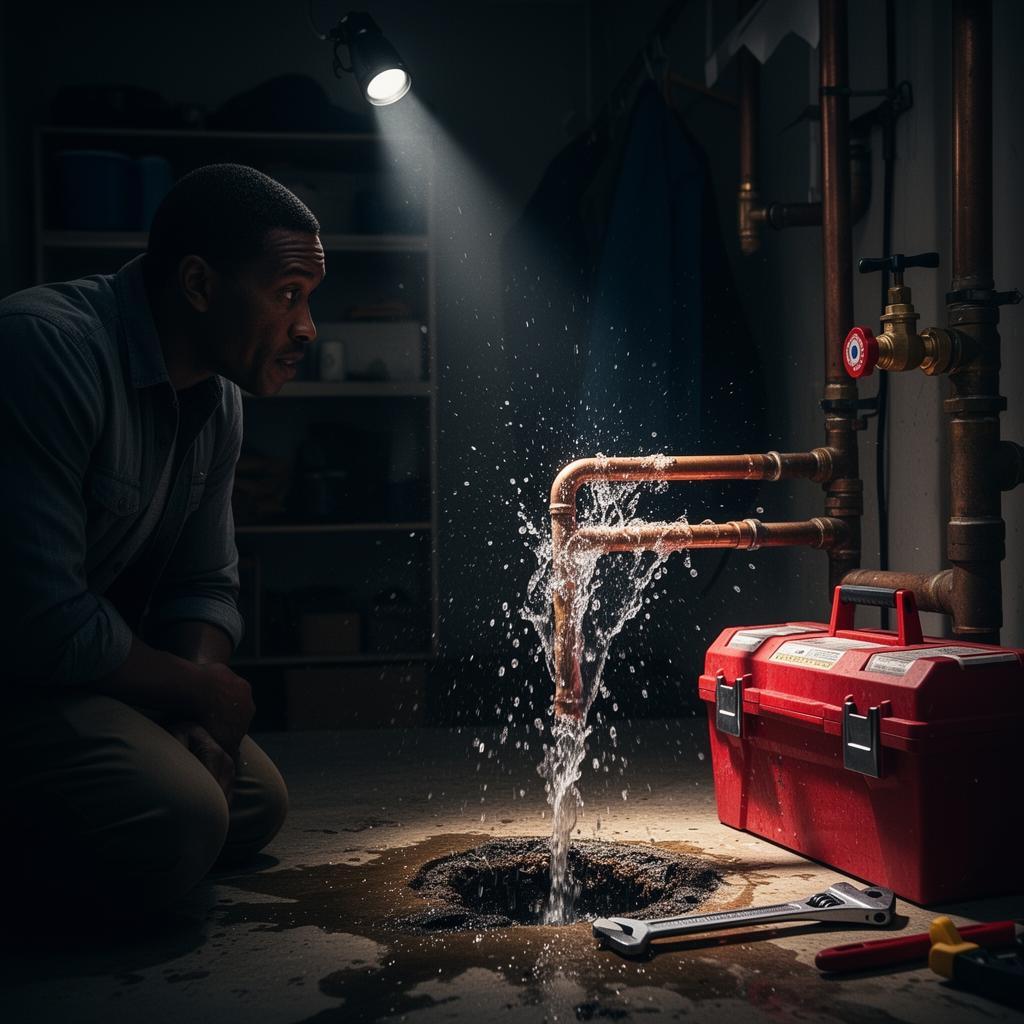
A plumbing emergency doesn't announce itself. It arrives at 11pm on a Sunday, or while you're at work, or the moment your guests walk through the door. Burst pipes, overflowing toilets, geyser failures, blocked drains, and sudden loss of water supply are among the most common home emergencies in South Africa — and in every case, the actions you take in the first five to ten minutes determine whether the outcome is a manageable repair or a catastrophic, expensive disaster.
This emergency plumbing checklist gives every South African homeowner the knowledge, tools, and step-by-step actions needed to respond confidently to any plumbing crisis — before, during, and after the emergency.
Part 1: Before an Emergency — What Every Homeowner Must Know in Advance
The best time to prepare for a plumbing emergency is before one happens. The following information should be known by every adult in the household.
Know Where Your Main Water Shut-Off Valve Is
Your single most important piece of plumbing knowledge is the location of your main water shut-off valve (also called the main stopcock or main isolator). This valve controls all water entering your home from the municipal supply. Closing it immediately stops water flowing into your property — which is the first action in almost every plumbing emergency.
Where to find it:
- Near the front boundary wall or garden gate, close to the water meter
- Where the water supply pipe enters the house — often at the base of an exterior wall or inside a utility cabinet
- In a small underground box near the front of the property (look for a small rectangular or round cover set into the ground or paving)
How to operate it:
- Gate valve (round wheel handle): Turn fully anticlockwise to open; fully clockwise to close
- Ball valve (lever handle): Lever parallel to the pipe = open; lever perpendicular to the pipe = closed
Action: Find your main shut-off valve today if you don't already know where it is. Make sure every adult in your household knows its location and how to operate it. Consider attaching a small label to the valve for easy identification in a stressful situation.
Know Where Your DB Board (Distribution Board) Is
In any plumbing emergency involving water near electrical fittings — a geyser leak, water coming through a ceiling, a burst pipe near a plug socket or light fitting — you must be able to switch off the electricity to the affected area quickly.
Know the location of your main distribution board (DB board) and familiarise yourself with which circuit breakers control:
- The geyser / hot water system
- Each bathroom and kitchen
- The main isolator for the entire property
Action: Open your DB board now and check that all breakers are clearly labelled. If they are not, ask a licensed electrician to label them at your next opportunity.
Know Where Your Individual Isolator Valves Are
Modern homes have individual isolator valves for the geyser, each toilet cistern, each basin, the washing machine, and the dishwasher. These allow you to cut water supply to a specific fixture without shutting off the entire property.
Common locations:
- Behind or below the toilet cistern (toilet isolator valve)
- Under the basin, inside the vanity cabinet
- Behind the washing machine or dishwasher
- On the cold water inlet pipe to the geyser, usually in the roof space or near the geyser
- Inside kitchen cupboards under the sink
Action: Walk through your home and locate each isolator valve. Confirm that each one opens and closes freely — seized valves are common in older homes and should be replaced before they are needed in an emergency.
Know Your Geyser's Location and Age
Your geyser is one of the most failure-prone components in your home's plumbing. Knowing its location, age, and basic specifications helps enormously in an emergency.
What to note:
- Where the geyser is located (roof space, garage, outside wall, etc.)
- Approximate age — geysers have a typical lifespan of 8–12 years; older units carry significantly higher risk of failure
- The make, model, and tank capacity (usually on a label on the geyser body)
- Whether it has a drip tray and whether the drip tray overflow pipe exits to the outside
Action: Note your geyser's details on the emergency contact sheet at the end of this article.
Have Your Emergency Plumber's Number Ready
In a genuine plumbing emergency, you do not want to be searching for a plumber. Save the number of a trusted, PIRB-registered emergency plumber in your phone before you need one.
In South Africa, all plumbing work — including emergency repairs — must be carried out by a plumber registered with the Plumbing Industry Registration Board (PIRB). After completing any repair, a PIRB-registered plumber is legally required to issue a Certificate of Compliance (CoC), which your home insurer will require for any claim.
Also save the number for Johannesburg Water (if you are in Joburg): 0860 562 874 — available 24 hours for reporting burst mains, supply outages, and sewer emergencies.
Part 2: Your Emergency Plumbing Toolkit
Every homeowner should have a basic plumbing emergency kit assembled and stored in an accessible location. You do not need professional-grade tools — just the essentials to manage the first critical minutes of any emergency.
The essential home plumbing emergency toolkit:
- Adjustable pliers and an adjustable spanner: For tightening loose fittings and operating stiff valves
- Toilet plunger (flange plunger): The bell-shaped plunger with a rubber flange — not a flat-cup plunger. Essential for clearing toilet blockages.
- Sink plunger (cup plunger): The flat-cup style — for clearing basin, bath, and kitchen sink blockages
- Toilet auger (closet auger): A flexible cable tool designed to clear blockages in the toilet trap without scratching the porcelain
- Drain snake (hand auger): For clearing blockages in basin, bath, and kitchen drain pipes
- Self-amalgamating pipe repair tape: For applying a temporary seal to a burst or cracked pipe while waiting for a plumber. Stretches and bonds to itself without adhesive.
- Pipe repair clamp: A metal clamp with a rubber gasket that fits over a burst pipe section for a more robust temporary repair
- Plumber's epoxy putty: For sealing small cracks and pinhole leaks temporarily
- A large bucket (minimum 10 litres): For catching leak water and for carrying water if supply is interrupted
- Rubber gloves: Essential when dealing with toilet overflows or sewage-contaminated water
- A torch / headlamp: For working in roof spaces, under sinks, and inside utility cabinets
- Waterproof tape: General-purpose temporary repair
- The contact details of your emergency plumber, Johannesburg Water, and your home insurer
Part 3: Emergency Response Checklists — Situation by Situation
Emergency 1: Burst Pipe
Immediate actions — in this order:
- Stop flushing and stop using water — every additional litre compounds the damage
- Close the main water shut-off valve immediately to stop water entering the property
- Switch off the electricity at the DB board if water is near any electrical fitting, light, or power point
- Open all cold taps throughout the home to drain remaining water from the pipes and reduce pressure at the burst point
- Place buckets and towels to contain overflow water and minimise floor and ceiling damage
- If the burst is visible and accessible, apply self-amalgamating tape or a pipe repair clamp as a temporary measure
- Move furniture, electronics, and valuables away from the wet area
- Photograph and video everything — walls, floors, ceilings, damage to possessions — before cleaning up. Your insurer requires evidence.
- Call your emergency plumber and describe the location and apparent cause of the burst
- Call your home insurer — most policies require prompt notification of water damage claims
Do not:
- Pour caustic chemical drain cleaners near the burst area
- Use the plumbing until the repair is complete
- Clean up entirely before documenting the damage for insurance
Emergency 2: Leaking or Burst Geyser
Immediate actions — in this order:
- Switch off the electricity to the geyser at the DB board — this is non-negotiable and must happen first. Water and electricity together are lethal.
- Close the cold water isolation valve on the inlet pipe feeding the geyser (usually located near the geyser in the roof space, or where the supply pipe enters the geyser). This stops water entering the tank.
- Open a hot water tap anywhere in the home (a bath tap works well) to relieve pressure in the geyser and allow it to drain
- Leave the hot tap open until the plumber arrives or until you have confirmed the geyser has fully drained
- Contain any dripping water with buckets — particularly important if water is dripping through the ceiling
- If water is coming through the ceiling, carefully pierce the lowest bulging point of the ceiling board with a screwdriver to direct the flow into a bucket — this prevents the ceiling from collapsing under the weight of trapped water
- Photograph the damage for your insurance claim
- Call your emergency plumber and your home insurer
Key information your plumber will need:
- Approximate age of the geyser
- Whether it is a direct or indirect system
- Whether the drip tray was overflowing or the tank itself was leaking
- Make and model if visible on the label
Emergency 3: Overflowing or Blocked Toilet
Immediate actions — in this order:
- Stop flushing — every additional flush pumps more water into an already blocked or overflowing system
- Remove the cistern lid and push the flapper (the rubber valve at the bottom of the cistern) down manually to stop water entering the bowl
- Close the toilet isolator valve — usually located on the supply pipe behind or below the cistern. Turn it clockwise to close. This stops water refilling the cistern.
- Clear the immediate area — place towels around the base of the toilet to absorb any overflow
- Put on rubber gloves — toilet overflow water is contaminated and must be treated accordingly
- Attempt to clear the blockage with a flange plunger — plunge firmly with an up-and-down motion for 30–60 seconds with the rubber flange engaged in the drain opening
- If plunging fails, use a toilet auger to reach further into the drain
- Clean and disinfect any overflow water thoroughly with gloves, mop, and disinfectant — treat all toilet water as a biohazard
- Call a licensed plumber if plunging and augering do not clear the blockage — persistent blockages often indicate a deeper drain or sewer line issue
Do not:
- Use chemical drain cleaners in a blocked toilet — they are ineffective on physical blockages and create a chemical hazard in confined spaces
- Allow children to use the bathroom until the overflow is fully cleared and disinfected
Emergency 4: No Water Supply
Work through this checklist in order:
- Check with a neighbour — do they have water? If yes, the problem is on your property. If no, it is a municipal supply issue.
- Check for a municipal outage — contact Johannesburg Water on 0860 562 874, check their social media, or use the JoziConnect app
- Check your main shut-off valve — is it fully open? It may have been accidentally closed during a recent repair
- Check the supply valve at your water meter — is it open and undamaged?
- Inspect your pressure-limiting valve (PLV) — located near the water meter or where the supply pipe enters the property. A failed PLV can completely cut off supply.
- Check your water account — Johannesburg Water can and does restrict supply for non-payment. Contact them to check account status.
- Look for signs of a hidden burst — wet ground in the garden, damp patches on walls or ceilings, or a moving water meter dial with all taps closed all indicate a leak
- Check individual isolator valves if only one area of the house has no water
- Call a licensed plumber if you cannot identify the cause
Emergency 5: Blocked or Overflowing Drain
Immediate actions:
- Stop using the affected drain and any drains connected to the same line
- Check whether multiple drains are affected — if your basin, bath, shower, and toilet are all slow or blocked, this indicates a main sewer line blockage rather than a single fixture blockage. Do not attempt DIY clearing on a main sewer line.
- For a single blocked drain, use the appropriate plunger (cup plunger for basins and baths; flange plunger for toilets) to attempt to clear the blockage
- Follow up with a drain snake or hair catcher tool to physically remove accumulated debris
- For a kitchen sink, pour boiling water (or very hot water for PVC pipes) slowly down the drain to melt grease, followed by a baking soda and white vinegar treatment
- Check the P-trap under the sink — place a bucket underneath, remove the trap, and clear any accumulated debris manually
- If the drain remains blocked or if multiple drains are affected, call a licensed plumber with drain jetting equipment
- Never mix chemical drain cleaners — the risk of toxic gas release and pipe damage is significant
Emergency 6: Smelly Drains or Sewer Gas
Immediate actions:
- Ventilate the space immediately — open windows and doors; switch on extractor fans
- Do not use open flames near affected drains until the source of the gas is identified — methane (which has no smell) can be present alongside hydrogen sulphide (the rotten egg smell)
- Check the P-trap in the affected sink or basin — if the trap has dried out (common in rarely-used fixtures), simply running the tap for 30 seconds will restore the water seal and stop the smell
- If the smell persists after refilling the P-trap, the cause may be a blocked vent pipe, a cracked P-trap, or a sewer line issue — all of which require a licensed plumber
- If anyone in the household feels nauseous, has a headache, or experiences dizziness near the affected area — evacuate immediately and call a plumber. These are symptoms of hydrogen sulphide or methane exposure.
- Call a licensed plumber for persistent sewer gas smells
Emergency 7: Water Damage to Ceilings and Walls
Immediate actions:
- Identify and stop the source — work through the checklist above for the appropriate emergency type (geyser, burst pipe, etc.)
- Protect your possessions — move furniture, electronics, books, and valuables away from wet areas immediately
- Place buckets under active drips
- Pierce a bulging ceiling carefully — if water is pooling above a ceiling board, the ceiling is at risk of collapse. Using a screwdriver, pierce a small hole at the lowest bulging point to direct water into a bucket in a controlled manner. This is preferable to having the ceiling collapse unexpectedly.
- Do not enter rooms where ceiling collapse is imminent — this is a genuine structural safety risk
- Document everything with photographs and video before cleaning up — your insurer will require this
- Do not start repairs to ceilings and walls until the source of water ingress has been professionally identified and repaired. Repairing surfaces before fixing the cause leads to recurring damage and mould.
- Notify your home insurer promptly — most policies require notification as soon as reasonably possible after the event
Part 4: When to Call a Plumber vs When to DIY
| Situation | DIY Appropriate? | Call a Plumber? |
|---|---|---|
| Toilet blocked — responds to plunging | ✅ Yes | Only if plunging fails |
| Toilet blocked — does not clear after plunging and augering | ❌ No | ✅ Yes — call immediately |
| Slow drain — single fixture | ✅ Try plunger and snake first | If DIY fails |
| Multiple drains blocked simultaneously | ❌ No | ✅ Yes — main sewer line suspected |
| Dripping tap | ✅ Basic washer replacement | If uncertain |
| Burst pipe — locate and contain | ✅ Shut off valve and temporary patch | ✅ Yes — for permanent repair |
| Geyser leaking | ❌ No | ✅ Yes — switch off power and call immediately |
| Geyser not heating | ❌ No | ✅ Yes — element or thermostat replacement |
| Dry P-trap (rotten egg smell) | ✅ Run the tap | Only if smell persists |
| Sewer gas smell persists | ❌ No | ✅ Yes — vent pipe or sewer issue |
| No water — check valves and meter | ✅ Check valves first | ✅ Yes — if cause not identified |
| Water through ceiling | ❌ No | ✅ Yes — call immediately |
| Blocked shower drain — hair | ✅ Hair catcher tool | Only if snake fails |
Part 5: What Your Home Insurance Covers — and What It Requires
South African home building insurance policies typically cover sudden and unforeseen water damage from plumbing emergencies. However, there are important conditions:
To ensure your claim is accepted:
- Act promptly — most policies require you to notify your insurer as soon as reasonably possible after the event. Delayed reporting can result in claim rejection.
- Use a PIRB-registered plumber — insurers require repairs to be completed by a licensed plumber who can issue a Certificate of Compliance (CoC). Using an unlicensed plumber voids the claim for the repair and any consequential damage.
- Document before you clean up — take photographs and video of all damage, including the source of the leak, water-damaged surfaces, and affected possessions, before any cleaning or repair work begins.
- Keep all invoices — the plumber's invoice, the CoC, and any related receipts are all required for your claim.
- Check for trace and access cover — many South African home insurance policies include "trace and access" cover, which pays for the cost of finding and accessing a hidden leak (cutting into walls or floors, for example) in addition to the repair itself. Check your policy.
What insurers typically do NOT cover:
- Gradual deterioration or slow leaks that the homeowner was aware of and failed to address
- Damage caused by the homeowner's failure to take reasonable steps to minimise damage after discovering the emergency
- Repairs carried out by unlicensed plumbers without a Certificate of Compliance
- Damage to the pipe itself (insurers cover consequential damage, not the failed component)
Part 6: Prevention — Avoiding Plumbing Emergencies Before They Happen
The most effective emergency plumbing checklist is the one that means you never need the emergency response checklists above. Regular maintenance and awareness prevent the vast majority of plumbing emergencies.
Annual maintenance checklist:
- Service your geyser — have a licensed plumber check the element, thermostat, anode rod, pressure-limiting valve (PLV), and temperature pressure relief valve (T&P valve) annually. Most geyser failures are preventable with regular servicing.
- Test all isolator valves — turn each valve off and on to confirm it operates freely. Seized valves are useless in an emergency.
- Check your water meter — close all taps and water-using appliances, then watch the meter dial for 10–15 minutes. Any movement indicates a hidden leak somewhere on the property.
- Inspect all visible pipes — look for discolouration, mineral deposits, or staining around pipe joints that may indicate slow weeping leaks
- Check silicone sealant around baths, showers, and basins — replace any cracked or mouldy sealant before water penetrates the substrate
- Flush all drains with baking soda and white vinegar monthly to prevent organic build-up and odours
- Clear your drain covers of hair and debris regularly, and fit hair catchers to shower and basin drains
- Check your water pressure — excessively high water pressure (above 400kPa) stresses pipes and fittings and accelerates wear. A licensed plumber can test pressure and fit a PLV if needed.
- Inspect your roof space after heavy storms — look for signs of water ingress that might not yet be visible from below
Emergency Contact Reference Sheet
Cut out or photograph this section and keep it accessible in your home.
| Contact | Details |
|---|---|
| Emergency Plumber (Joburg) | www.joburgplumbers.co.za |
| Johannesburg Water (24hr) | 0860 562 874 |
| Home Insurer | ________________________ |
| Policy Number | ________________________ |
| Main Shut-Off Valve Location | ________________________ |
| DB Board Location | ________________________ |
| Geyser Location & Age | ________________________ |
| Plumber's Name & Number | ________________________ |
Need an Emergency Plumber in Johannesburg Right Now?
Joburg Plumbers connects you with verified, PIRB-registered emergency plumbers available across all areas of Johannesburg — including Sandton, Randburg, Roodepoort, Midrand, Fourways, Soweto, Boksburg, Germiston, Kempton Park, and across the East Rand, West Rand, Joburg North, and Joburg South regions.
Available for emergency call-outs — because when a plumbing crisis hits, every minute matters.
This checklist is intended as general guidance for South African homeowners. Always prioritise personal safety — if there is any risk of electrocution, structural collapse, or toxic gas exposure, evacuate the area before taking any other action. Always use a PIRB-registered plumber for all plumbing repairs and installations.