Don't use these harsh chemicals and cleaning supplies in your toilet and pipes - Plumbers Hate These!
20 June 2026
Don't Use These Harsh Chemicals and Cleaning Supplies in Your Toilets and Pipes
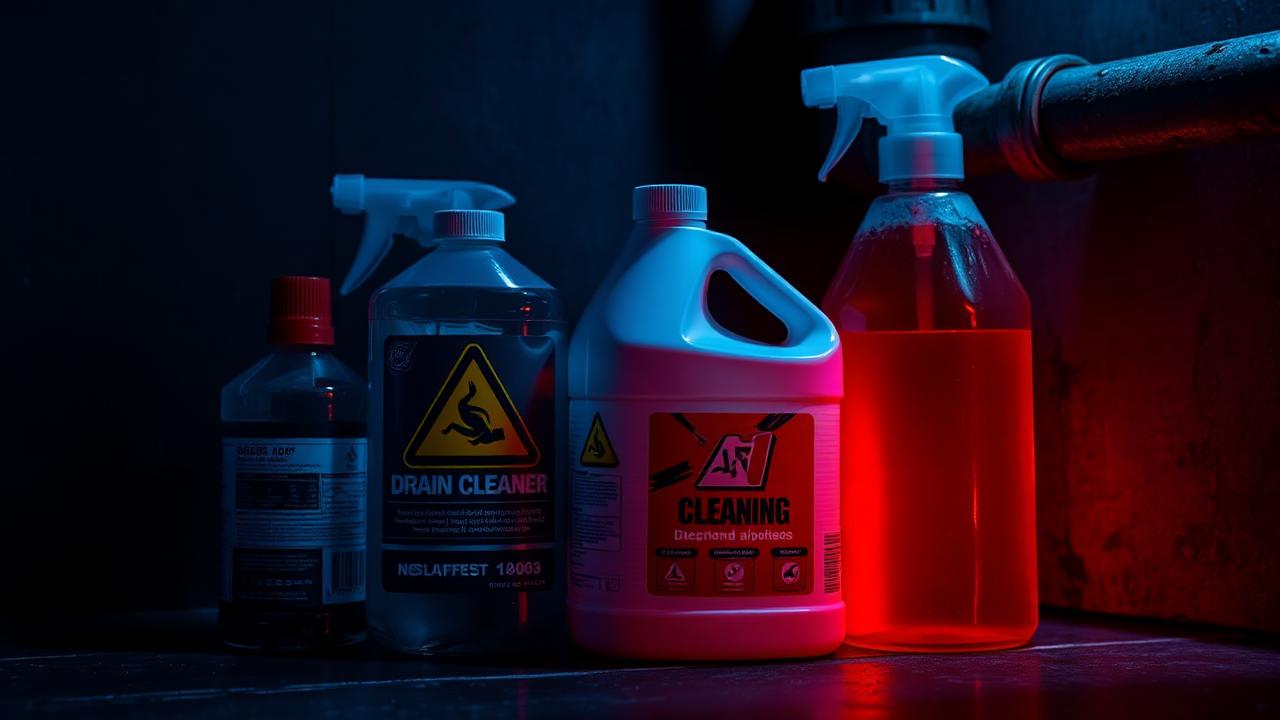
Every South African homeowner wants clean drains, fresh-smelling toilets, and pipes that flow freely. But reaching for the strongest chemical cleaner on the shelf — or mixing whatever is under the sink — can cause far more damage than the blocked drain you were trying to fix. Some of the most widely used household cleaning products are silently destroying your pipes, corroding your fittings, killing your septic system, and costing you thousands in plumbing repairs.
This guide tells you exactly which chemicals and products to avoid, why they are harmful, and what to use instead.
Why What You Pour Down the Drain Matters More Than You Think
Your home's drain and pipe system is not just a convenient disposal route — it is a carefully engineered network of pipes, seals, joints, and traps made from a range of materials including copper, galvanised steel, PVC, CPVC, ABS plastic, and rubber. Different materials have different chemical tolerances, and many common household cleaning products are formulated with no regard for what they do to plumbing once they leave the bottle.
Beyond your property boundary, what goes down your drain enters the municipal sewer system or your private septic tank — both of which rely on biological processes and physical infrastructure that are easily disrupted by harsh chemicals.
The consequences of regularly using the wrong products include:
- Pipe corrosion and premature failure
- Degradation of rubber seals, gaskets, and O-rings
- Dissolution of pipe joint adhesives and cement
- Destruction of the bacterial ecosystem in your septic tank
- Damage to the porcelain glaze on your toilet bowl
- Contribution to municipal sewer pipe corrosion
- Serious chemical burn risk if products are mixed incorrectly
The Chemicals and Products to Avoid — and Why
1. Caustic Drain Cleaners (Sodium Hydroxide / Lye-Based Products)
Products this includes:
Drain cleaners containing sodium hydroxide (caustic soda / lye) are among the most commonly used and most damaging products in home plumbing. In South Africa, these include widely available brands sold as "drain opener," "drain cleaner," or "pipe unblocker" at supermarkets and hardware stores.
Why they are harmful:
Sodium hydroxide generates intense heat and a highly alkaline reaction that dissolves organic matter. The problem is that this reaction does not stop at the blockage:
- PVC and CPVC pipes: The heat generated can exceed 80°C — softening and warping PVC pipe, particularly at joints. Repeated use causes brittleness, cracking, and eventual pipe failure.
- Rubber seals and gaskets: Caustic solutions dissolve rubber compounds over time, destroying seals at pipe joints and around toilet internal components.
- Older metal pipes: In galvanised steel and copper pipes, prolonged contact with highly alkaline solutions accelerates corrosion.
- Septic systems: Sodium hydroxide at commercial concentrations kills the beneficial bacteria that break down waste in septic tanks and conservancies. A single heavy dose can disrupt a septic system for months.
What to use instead:
- A toilet auger or drain snake to physically remove blockages
- Enzyme-based drain cleaners that use naturally occurring bacteria to break down organic matter
- Baking soda and white vinegar for gentle maintenance cleaning
- High-pressure water jetting by a licensed plumber for serious blockages
2. Bleach (Sodium Hypochlorite) — Undiluted or in Excessive Quantities
Why it is harmful:
- Rubber and silicone components: Undiluted bleach rapidly degrades rubber gaskets, flapper valves, and toilet flush seals — causing cistern leaks and running toilets.
- Septic systems: Bleach in large quantities kills the bacterial colonies responsible for breaking down solid waste, leading to septic tank failure.
- Metal corrosion: Bleach accelerates corrosion in metal pipes and fittings — the chlorine ions attack the protective oxide layer on metal surfaces.
- Porcelain damage: Undiluted bleach left in contact with toilet porcelain causes surface etching and yellowing over time.
- Dangerous chemical reactions: Bleach reacts with ammonia (found in urine and many multipurpose cleaners) to form toxic chloramine gas. It reacts with acids to release chlorine gas.
What to use instead:
- Diluted bleach (1 part bleach to 10 parts water) used sparingly for surface disinfection
- White vinegar for descaling and mild disinfection
- Citric acid solution for removing limescale from the toilet bowl
- Enzyme-based toilet cleaners for ongoing maintenance
3. Drop-In Cistern Tablets and Rim Blocks
Why they are harmful:
- Flapper valve destruction: Cistern tablets release concentrated chemicals directly into the cistern water. The rubber flapper valve sits in constant contact with this treated water — it warps, stiffens, and fails to seal, causing the cistern to run continuously and wasting hundreds of litres daily.
- Fill valve damage: The chemicals also degrade the internal diaphragm and seals in the fill valve, causing leaks and refill failures.
- Blocked toilet jets: Dissolving chemical chunks can lodge in the small water jets around the toilet rim — reducing flush effectiveness.
- Warranty voidance: Many toilet manufacturers explicitly state that damage from in-cistern tablets is not covered under warranty.
What to use instead:
- Rim-mounted liquid dispensers that do not release chemicals into the cistern
- White vinegar poured periodically into the cistern overflow tube for descaling
- Regular manual cleaning with a toilet brush and mild cleaner
4. Sulphuric Acid-Based Drain Cleaners
Why they are extremely dangerous:
- Pipe destruction: Sulphuric acid dissolves rubber seals, certain plastic fittings, pipe joint cement, and in older pipes can eat through the pipe wall itself.
- Severe personal injury risk: Concentrated sulphuric acid causes immediate, severe chemical burns to skin and eyes. The reaction with water generates significant heat and violent spattering.
- Dangerous reactions: Sulphuric acid reacts violently with water, bleach, ammonia, and many other household chemicals — causing explosive reactions, toxic gas release, and fire.
- Environmental damage: Sulphuric acid entering the sewer system corrodes concrete pipes and disrupts wastewater treatment.
What to use instead:
For blockages severe enough to seem like they require sulphuric acid, call a licensed plumber immediately. Professional drain jetting and augering are far more effective and infinitely safer.
5. Mixing Multiple Chemical Drain Cleaners
Why this is life-threatening:
Never mix drain cleaning chemicals — not even if one product hasn't worked and you want to try another.
| Combination | Dangerous Reaction |
|---|---|
| Bleach + Ammonia | Toxic chloramine gas — respiratory damage |
| Bleach + Acid (toilet cleaner, descaler) | Chlorine gas — highly toxic, potentially fatal |
| Caustic soda + Acid | Violent exothermic reaction, intense heat, spattering |
| Two different drain cleaners | Unknown and unpredictable reactions |
| Bleach + Vinegar | Produces chlorine gas — even this common combination is hazardous |
If a chemical drain cleaner has not worked, flush thoroughly with large quantities of cold water before trying anything else. Always tell your plumber what products you have already used.
6. Antibacterial and Disinfectant Cleaners in Large Volumes
Why they are harmful:
Antibacterial soaps and disinfectant cleaners contain compounds — including triclosan, quaternary ammonium compounds (quats), and pine oil — designed to kill bacteria. In large volumes, these disrupt septic systems and municipal wastewater treatment.
- Septic tank failure: The biological process in a septic tank depends on a thriving population of anaerobic bacteria. Repeated introduction of antibacterial compounds destroys this ecosystem, leading to overflow and costly remediation.
- Environmental impact: Antibacterial compounds that survive into waterways disrupt aquatic ecosystems and contribute to antibiotic resistance.
What to use instead:
- Regular soap and water for hand washing — as effective as antibacterial soap for most purposes
- Diluted white vinegar for surface disinfection
- Never flush cleaning wipes — even those labelled "flushable" or "septic safe"
7. "Flushable" Wipes and Non-Degradable Items
The facts:
"Flushable" wipes are not flushable. Unlike toilet paper — designed to disintegrate rapidly in water — wet wipes do not break down. They travel through the drain, catch on pipe joints, and combine with grease and other debris to form dense blockages known as "fatbergs." Blockages caused by wipes frequently require professional drain jetting or pipe excavation, costing between R3,000 and R30,000.
Never flush:
Sanitary pads, tampons, cotton wool, cotton buds, nappies, dental floss, condoms, paper towels, tissues, medication, cigarette butts, hair, or food waste of any description.
The only things that should ever be flushed: Human waste and toilet paper.
8. Abrasive Cleaners on Toilet Bowls and Porcelain
Why they are harmful:
Powdered scouring cleaners, steel wool, and abrasive scrubbing pads scratch through the porcelain glaze on toilet bowls and ceramic basins. This damage is permanent and irreversible. Once scratched:
- The rough surface harbours bacteria and resists cleaning
- Limescale and stains adhere far more readily to the damaged surface
- The toilet looks permanently discoloured regardless of cleaning frequency
What to use instead:
- White vinegar soaks for limescale — apply with paper towel, leave 30–60 minutes, wipe clean
- Citric acid solution — dissolve 2–3 tablespoons in one litre of warm water; highly effective on mineral deposits
- A wet pumice stone used gently with water — safe for porcelain when kept lubricated
- Non-abrasive commercial limescale removers labelled safe for porcelain
Quick Reference: What to Avoid vs What to Use
| Avoid | Use Instead |
|---|---|
| Caustic soda drain cleaners | Enzyme drain cleaner or drain snake |
| Undiluted or excessive bleach | Diluted bleach (1:10), white vinegar, citric acid |
| Drop-in cistern tablets / rim blocks | Rim-mounted dispensers or manual cleaning |
| Sulphuric acid drain cleaners | Licensed plumber with professional jetting |
| Mixing any chemical drain products | Flush thoroughly — use one safe product or call a plumber |
| Antibacterial products in large volumes | Regular soap and water; diluted vinegar |
| "Flushable" wipes and non-degradable items | Toilet paper only — everything else in the bin |
| Abrasive scouring powders and steel wool | White vinegar soaks, citric acid, soft toilet brush |
Safe Alternatives — Your Complete Home Toolkit
You do not need a cupboard full of harsh chemicals to keep your drains clean and your pipes healthy. Here is a simple, affordable toolkit of safe alternatives:
Baking soda (bicarbonate of soda): A gentle deodoriser and mild abrasive. Combined with white vinegar, it lifts organic deposits from drain walls. Safe for all pipe types and septic systems.
White vinegar: Mildly acidic, effective at dissolving limescale and mineral deposits. Excellent alternative to commercial descalers. Use undiluted for limescale; diluted for general cleaning.
Citric acid: More powerful than white vinegar for descaling. Available from pharmacies and baking supply stores. Dissolve 2–3 tablespoons in warm water and apply to limescale and mineral deposits.
Enzyme-based drain cleaners: Biological products that use naturally occurring enzymes and bacteria to break down organic matter in drains without heat, toxic reactions, or pipe damage. Safe for all pipe types and septic systems. They work over hours rather than minutes — but they are far safer and better for long-term drain health.
A drain snake or toilet auger: For physical blockages, a mechanical tool is almost always more effective and safer than any chemical cleaner. Inexpensive, reusable, and causes no pipe damage whatsoever.
A toilet brush and consistent weekly routine: Weekly manual cleaning with a soft brush and mild cleaner is more effective and less damaging than monthly chemical treatments.
What to Do If You Have Already Used Harsh Chemicals
1. Switch products immediately — replace harsh chemical cleaners with the safer alternatives above.
2. Flush your drains thoroughly — run cold water for several minutes through all drains to dilute and flush out chemical residue.
3. Inspect your cistern components — check the flapper valve and fill valve for stiffness, cracking, or visible degradation. A degraded flapper wastes 200–400 litres of water daily. Have a plumber replace damaged components.
4. Consider a pipe inspection — if you have older PVC pipes and have used caustic products regularly, ask a plumber for a condition inspection, particularly at joints and bends.
5. Restore your septic tank — if your septic tank has been exposed to excessive bleach or antibacterial products, introduce a commercial biological septic tank activator (available at most hardware stores) to re-establish the bacterial ecosystem.
When to Call a Plumber
Call a licensed, PIRB-registered plumber if:
- You have a blocked drain that does not respond to safe DIY methods
- You suspect pipe damage from previous use of harsh chemical cleaners
- Your cistern runs continuously (indicating a degraded flapper or fill valve)
- You need a drain professionally inspected, jetted, or camera-inspected
- Your septic tank shows signs of failure — odour, overflow, or slow drainage across the property
Need a Plumber in Johannesburg?
Whether you need a blocked drain cleared, a cistern repaired, a pipe inspected, or professional drain jetting — Joburg Plumbers connects you with verified, PIRB-registered plumbers across all areas of Johannesburg, including Sandton, Randburg, Roodepoort, Midrand, Fourways, Soweto, Boksburg, Germiston, Kempton Park, and across the East Rand, West Rand, Joburg North, and Joburg South regions.
Protecting your pipes starts with knowing what not to pour down them.
This article is intended as general guidance only. Always use a PIRB-registered plumber for drain clearing, pipe repairs, and plumbing installations in South Africa. If you have been exposed to a chemical reaction or toxic gas from cleaning product mixing, seek medical attention immediately.