Is it cheaper to repair or replace my geyser?
1 July 2026
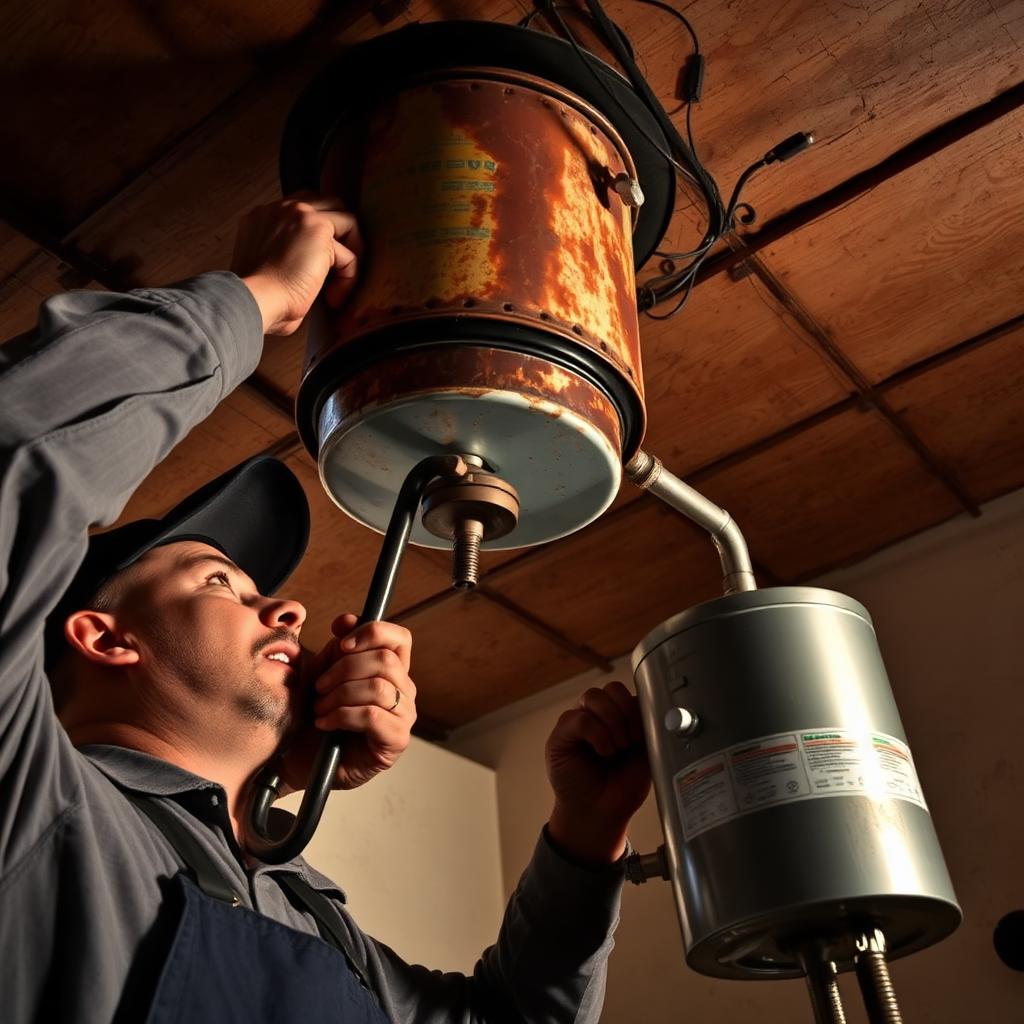
A faulty geyser is one of the most stressful plumbing problems a homeowner can face — no hot water, potential flooding, and a repair bill landing at the worst possible time. The big question most people ask is: should I repair it or replace it? The honest answer depends on the age of your geyser, the nature of the fault, and the long-term cost of running an ageing unit. This article walks you through the key factors so you can make the most cost-effective decision for your home.
The Average Lifespan of a Geyser
A standard electric geyser in South Africa has an average lifespan of 8 to 12 years, though some units last longer with regular maintenance. If your geyser is under 7 years old and the fault is minor, repair is almost always the better option. If it is older than 10 years and has already had one or more repairs, replacement becomes the smarter long-term investment. Age alone is one of the strongest indicators of whether you should repair or replace.
Common Geyser Problems and Their Repair Costs
Not all geyser faults are created equal. Some are inexpensive to fix; others signal that the unit is on its way out. Here is a breakdown of the most common issues:
- Faulty thermostat or element: One of the most common and affordable repairs. A replacement element typically costs R400–R900 in parts, plus a plumber's call-out fee. If the geyser is otherwise in good condition, this is well worth doing.
- Pressure control valve (PCV) or temperature pressure relief (TPR) valve failure: These safety valves are relatively cheap to replace (R300–R700) and should always be fixed promptly, as a failed TPR valve is a safety hazard.
- Dripping or leaking geyser: A small drip from a valve is usually a minor repair. However, a leak from the tank body itself almost always means the tank has corroded internally — at that point, replacement is the only real option.
- Burst geyser: A burst geyser tank cannot be repaired. Full replacement is required. Expect to pay between R6,000 and R12,000 for a new standard electric geyser installed, depending on the size (100–200 litre) and the complexity of the installation.
The 50% Rule: A Useful Benchmark
A widely used guideline in the plumbing industry is the 50% rule: if the cost of repairing your geyser exceeds 50% of the cost of a new replacement unit, it makes more financial sense to replace. For example, if a new geyser installed costs R8,000 and your repair quote is R4,500 or more, you are better off putting that money toward a brand-new unit with a fresh warranty. This rule is especially relevant for older geysers that are likely to develop further faults.
Energy Efficiency: The Hidden Cost of an Old Geyser
An ageing geyser is rarely energy-efficient. Older units lose heat more quickly, the element works harder to maintain temperature, and scale buildup inside the tank further reduces efficiency. In South Africa, a geyser accounts for roughly 30–40% of a household's electricity consumption. Upgrading to a modern, better-insulated electric geyser — or switching to a heat pump or solar geyser — can meaningfully reduce your monthly electricity bill. Over a 5-year period, the savings from a more energy-efficient unit can offset a significant portion of the replacement cost.
Solar and Heat Pump Geysers: Worth Considering?
If you are already facing a geyser replacement, it is worth getting a quote on a solar geyser or heat pump water heater at the same time. The upfront cost is higher — typically R15,000–R30,000 installed for a solar system — but the long-term savings on electricity can be substantial, particularly given South Africa's load shedding environment and rising Eskom tariffs. Some municipalities and financial institutions also offer rebates or financing for solar water heating upgrades, which can reduce the initial outlay.
When to Repair Your Geyser
Repair is likely the right call if:
- Your geyser is under 7 years old
- The fault is isolated to a single component (element, thermostat, or valve)
- The repair cost is well below 50% of a replacement unit
- There is no visible corrosion or rust on the tank body
When to Replace Your Geyser
Replacement is usually the smarter investment if:
- The geyser is over 10 years old and has had multiple repairs
- The tank has burst or is leaking from the body
- Rust or brown water is coming from your hot water taps (a sign of internal corrosion)
- Repair costs exceed 50% of a new installation
- You want to upgrade to a more energy-efficient system
Final Thoughts
There is no single right answer when it comes to geyser repair vs replacement — but the decision becomes much easier once you factor in the age of your unit, the nature of the fault, the cost of the repair, and the long-term running costs. As a general rule, invest in repairs for a younger geyser with a fixable fault, and invest in a new installation for an older unit that has already given you trouble. Either way, always use a registered plumber for geyser work in South Africa, as the law requires a certificate of compliance for any geyser installation or replacement.
Need a qualified plumber in Johannesburg to inspect, repair, or replace your geyser? Browse our directory of vetted local plumbers available across the North, South, East Rand, and West Rand.