My Geyser Is Leaking – What Should I Do First?
16 June 2026
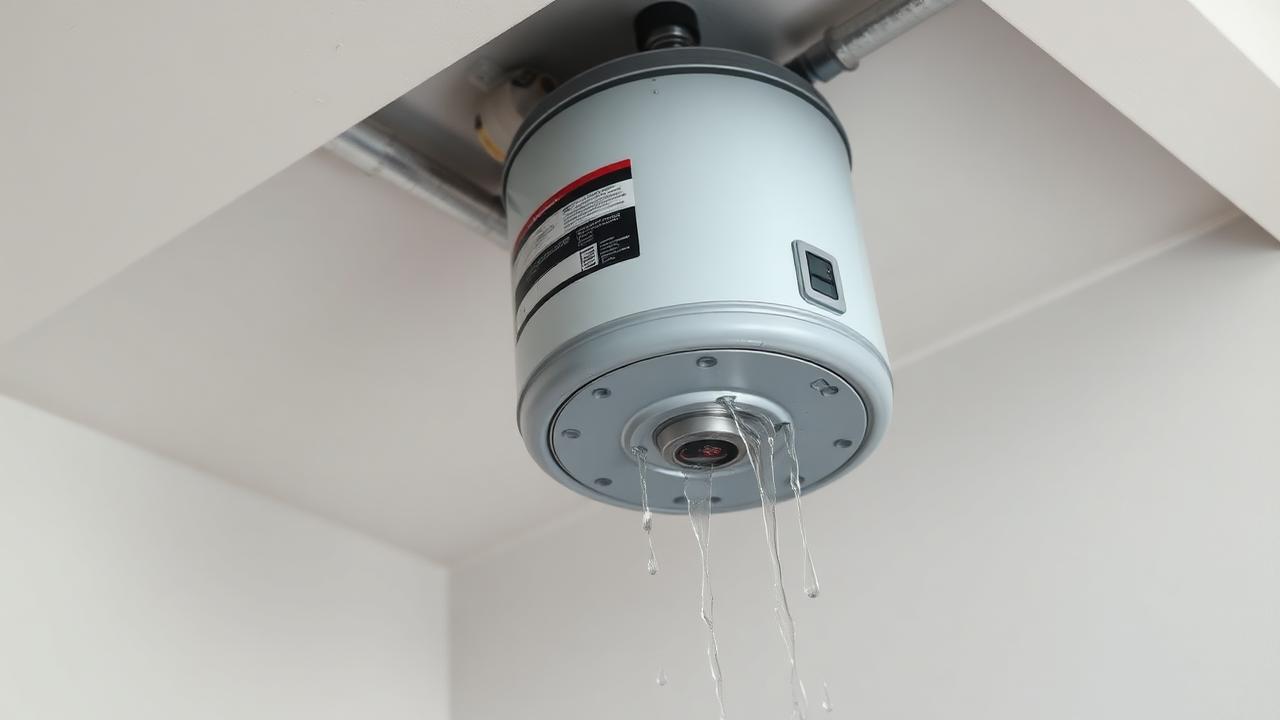
A leaking geyser is one of the most common — and most stressful — plumbing emergencies South African homeowners face. Whether it's a slow drip or a full-blown burst, knowing exactly what to do in the first few minutes can save you thousands of rands in water damage and repair costs.
Don't Panic — But Do Act Fast
A geyser leak won't fix itself. Left unattended, even a small leak can cause ceiling damage, mould growth, and skyrocketing water bills. Here's a clear, step-by-step guide on what to do the moment you discover your geyser is leaking.
Step 1: Turn Off the Power to the Geyser Immediately
This is your first and most important step — and it's non-negotiable.
A geyser is an electrical appliance connected to a water supply. Water and electricity are a fatal combination. Before you touch anything or investigate the source of the leak, go to your main distribution board (DB board) and switch off the circuit breaker labelled "geyser" or "hot water."
If you're unsure which breaker controls the geyser, switch off the main isolator for the entire property until you can confirm it's off.
⚡ Safety first: Never attempt to inspect or repair a leaking geyser while it is still connected to electricity.
Step 2: Shut Off the Water Supply to the Geyser
Once the power is off, stop the flow of water into the geyser.
Locate the geyser isolation valve — this is usually a gate valve or ball valve fitted on the cold water inlet pipe leading into your geyser. Turn it clockwise (or close it fully) to stop water entering the tank.
If you can't find the isolation valve, or it's seized from lack of use, shut off the main water supply to your home at the municipal water meter or main stopcock.
Step 3: Open a Hot Tap to Release Pressure
Go to any hot water tap in your home (a basin or bath tap works well) and open it fully. This does two important things:
- It relieves pressure inside the geyser tank
- It prevents a vacuum from forming as the tank drains
Leave the tap open until you've assessed the situation or until a licensed plumber arrives.
Step 4: Identify Where the Leak Is Coming From
Not all geyser leaks are equal. Once it's safe to do so, try to identify the source. Common causes of a leaking geyser include:
🔧 Pressure Relief Valve (PRV) / Temperature Relief Valve (T&P Valve)
This is the most common culprit. The PRV is a safety device designed to release water when pressure or temperature inside the tank gets too high. If it's dripping constantly, it may be faulty, or your water pressure may be too high.
🔧 Drip Tray Overflow
Most geysers sit in a drip tray. If the drip tray drain is discharging water outside (usually through a pipe exiting your ceiling or exterior wall), it means the geyser is overflowing internally — a sign the expansion vessel or PRV needs attention.
🔧 Corroded or Cracked Tank
If the geyser body itself is leaking, the tank may have corroded from the inside. This is common in older geysers (10+ years). A corroded tank usually cannot be repaired — a full geyser replacement is required.
🔧 Loose or Leaking Inlet/Outlet Connections
Sometimes the leak comes from pipe connections rather than the geyser itself. These can sometimes be tightened or re-sealed by a plumber.
🔧 Faulty Thermostat or Element
A failed thermostat can cause the water inside to overheat, triggering the PRV to release water repeatedly. This looks like a leak but is actually a symptom of overheating.
Step 5: Call a Licensed Plumber
Once you've cut the power, stopped the water flow, and identified (as best you can) where the leak is coming from, call a registered plumber immediately.
In South Africa, geyser installation and repair must be carried out by a qualified plumber registered with the Plumbing Industry Registration Board (PIRB). This is a legal requirement under the National Building Regulations and ensures that a Certificate of Compliance (CoC) is issued after the work is done — which your insurance company will require.
🏠 Insurance tip: Most home insurance policies in South Africa cover geyser damage, but you must notify your insurer promptly and use a registered plumber. Keep all invoices and your CoC.
How Long Does It Take to Replace a Geyser?
A standard geyser replacement by an experienced plumber typically takes 3 to 5 hours, including draining the old unit, fitting the new geyser, installing the required pressure-limiting valve (PLV) and expansion vessel, and issuing the CoC. Most plumbers can complete the job on the same day if they have stock of the correct unit.
Geyser Sizes and Which One You Need
South African geysers are most commonly available in the following sizes:
| Household Size | Recommended Geyser Size |
|---|---|
| 1–2 people | 100 litres |
| 3–4 people | 150 litres |
| 5+ people | 200 litres |
Standard geysers operate at 3kW or 4kW elements. Your plumber will advise on the best size and spec for your home.
Should I Repair or Replace My Leaking Geyser?
This depends on the age and condition of the unit:
- Under 5 years old: A repair (new PRV, element, or thermostat) is usually cost-effective.
- 5–10 years old: Assess whether the repair cost justifies the remaining lifespan.
- Over 10 years old: Replacement is almost always the better long-term investment. A burst or corroded geyser tank cannot be repaired.
Also consider upgrading to a heat pump geyser or solar geyser — both significantly reduce electricity consumption and qualify for rebates through certain municipalities and energy schemes.
Preventing Future Geyser Leaks
Once your geyser is repaired or replaced, take these steps to extend its lifespan:
- Install a pressure-limiting valve (PLV): Required by law in South Africa. Keeps incoming water pressure below 400kPa to prevent tank stress.
- Fit an expansion vessel: Absorbs pressure fluctuations in a closed system.
- Set your thermostat correctly: 55°C–60°C is the recommended range — hot enough to prevent legionella bacteria, cool enough not to overstrain the system.
- Service your geyser annually: A plumber can check the anode rod, element, and PRV to catch problems early.
- Consider a geyser blanket: Reduces heat loss and lowers your electricity bill.
Summary: What to Do When Your Geyser Is Leaking
- ✅ Switch off the electricity at the DB board
- ✅ Close the isolation valve or main water supply
- ✅ Open a hot tap to release pressure
- ✅ Identify the source of the leak if safe to do so
- ✅ Call a licensed, PIRB-registered plumber
- ✅ Notify your home insurer as soon as possible
Need a Plumber in Johannesburg?
If you're in Joburg and dealing with a leaking geyser right now, Joburg Plumbers connects you with verified, licensed plumbers across all areas — including Sandton, Randburg, Roodepoort, Soweto, Boksburg, Kempton Park, and beyond. Available for emergency call-outs across Joburg North, South, East Rand, and West Rand.
This article is intended as general guidance only. Always use a PIRB-registered plumber for geyser repairs and installations.