A Public dripping tap can waste thousands of litres of water each year and YOU pay for it
6 July 2026
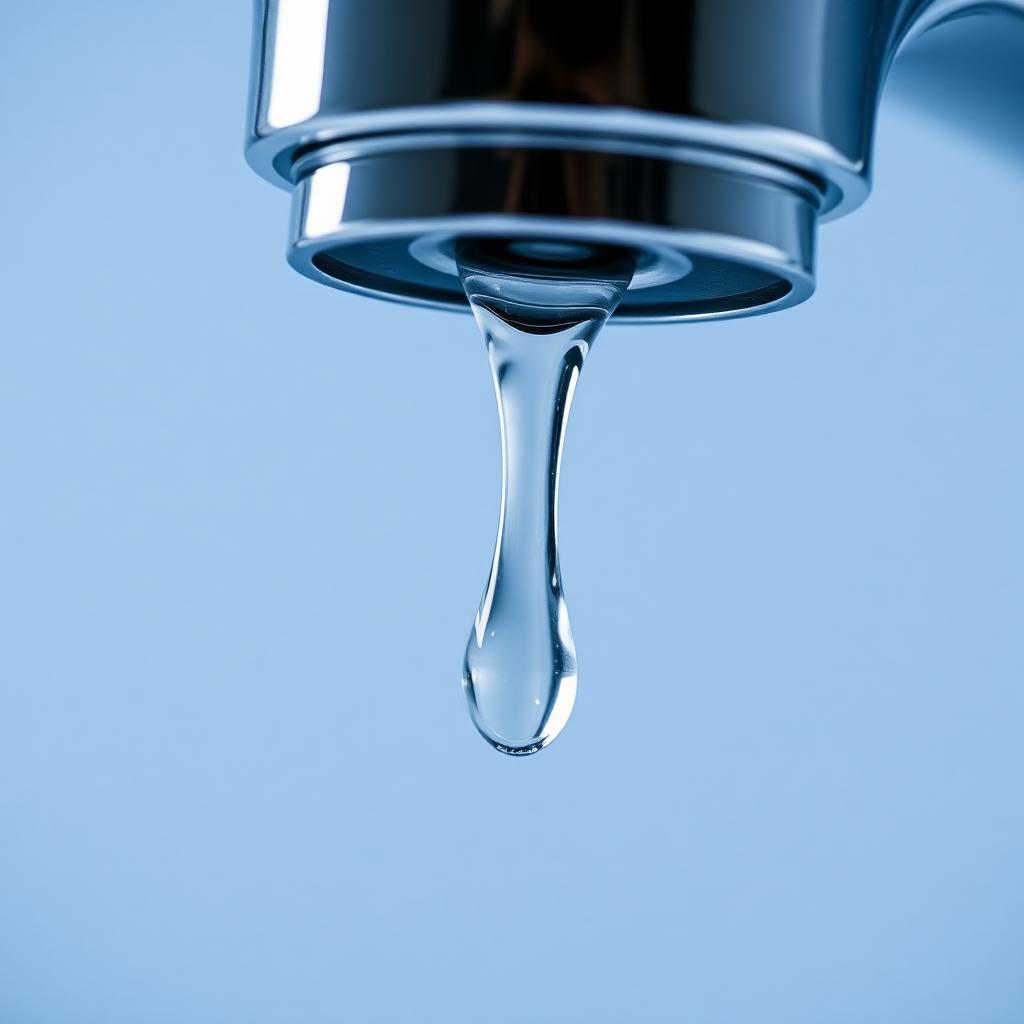
A Public Dripping Tap Can Waste Thousands of Litres of Water Each Year — And YOU Pay For It
Water wastage South Africa | Dripping tap repair Johannesburg | Plumber Johannesburg
It starts as background noise. A soft, rhythmic drip from the kitchen tap or an outside garden tap that nobody bothers to fix. It seems harmless — just a few drops here and there. But that quiet drip is one of the most underestimated sources of water wastage in South African homes and businesses, and it's quietly adding rands to your monthly water bill every single day it's left unrepaired.
Whether it's a dripping tap in your bathroom, an ignored outdoor tap in a shared complex, or a public tap in a business courtyard, the water — and the money — you're losing adds up far faster than most people realise. Here's exactly how much a dripping tap costs you, why it happens, and what to do about it.
How Much Water Does a Dripping Tap Actually Waste?
The amount of water lost depends on how fast the tap drips and the water pressure behind it, but even a "slow" drip adds up over a full year. Independent studies from water utilities and the US Environmental Protection Agency consistently show the same pattern: small, steady leaks become enormous losses when multiplied by 365 days.
| Drip rate | Litres wasted per day | Litres wasted per year |
|---|---|---|
| 1 drop every 10 seconds (slow leak) | ≈ 2 litres | ≈ 700 litres |
| 10 drops per minute (typical leak) | ≈ 15–20 litres | ≈ 5,500–7,300 litres |
| 1 drop per second (common leak) | ≈ 20–30 litres | ≈ 7,500–11,000 litres |
| Steady trickle (worn valve/mixer) | 50+ litres | 18,000+ litres |
In other words, a single dripping tap that most people would dismiss as a minor inconvenience can waste enough water in a year to fill a small backyard swimming pool. Multiply that across an office block, a block of flats, a school, or a shopping centre with a few neglected taps, and you're looking at hundreds of thousands of litres lost annually — all before anyone notices a burst pipe or a visible flood.
What Is a Dripping Tap Actually Costing You?
Municipal water in Johannesburg is billed on a rising block tariff, meaning the more water your property uses, the higher the rate per kilolitre climbs. A dripping tap doesn't just waste water — it can quietly push your household or business into a more expensive consumption bracket, meaning every other litre you use that month costs more too.
A single tap dripping at a moderate rate can waste around 6,000 to 11,000 litres a year. Depending on your City of Joburg or Johannesburg Water tariff bracket, that can translate into hundreds of rands in unnecessary charges annually — money spent on water that never touched a dish, a shower, or a garden.
Quick Reality Check
5,500–11,000 litres wasted per year from one dripping tap
Multiple leaking taps on a property can multiply this many times over
Higher consumption can push you into a more expensive municipal tariff block
The fix is usually a R20–R50 washer and 20 minutes of a plumber's time
Why Does This Matter So Much in Johannesburg?
South Africa is a water-scarce country, and Gauteng in particular relies heavily on the Vaal River System and Rand Water infrastructure that is already under significant strain. Johannesburg has faced repeated water shortages, low-pressure periods, and restrictions in recent years as demand continues to outpace supply and ageing municipal infrastructure struggles to keep up.
Fluctuating water pressure — often linked to load shedding affecting pump stations and reservoirs — also puts extra strain on tap washers and valves, causing them to wear out and start dripping faster than they would under stable conditions. This means Johannesburg homes and businesses are, in some ways, more prone to developing dripping taps than properties in areas with consistently stable water pressure.
Every litre saved from a fixed tap is a litre that stays in the system for the next household, business, or hospital that needs it. In a water-stressed city, fixing a dripping tap isn't just a financial decision — it's a small but meaningful contribution to easing pressure on an already strained water network.
Why Do Taps Start Dripping in the First Place?
- Worn rubber washers — the most common cause, especially in older taps that open and close by twisting
- Damaged or corroded valve seats, which cause the washer to wear unevenly over time
- Loose or worn O-rings, often the culprit behind dripping at the base of the tap handle
- Water pressure surges, common in Johannesburg after load shedding or municipal supply interruptions
- General age and wear, particularly in taps that are 10+ years old and have never been serviced
- Incorrect installation or mismatched replacement parts from a previous DIY repair
Fixing a Dripping Tap: DIY or Call a Plumber?
A simple washer replacement is one of the most affordable repairs in home plumbing, and many people can do it themselves with basic tools. Turn off the water supply to the tap (or the mains if there's no isolation valve), remove the tap handle and spindle, replace the worn washer or O-ring, and reassemble. In most cases this solves the problem completely.
However, there are times when it makes far more sense to call a professional plumber rather than risk a bigger repair bill later:
- The drip continues after you've already replaced the washer
- The tap is a modern mixer or cartridge-style tap, which uses different internal parts to traditional washers
- You notice rust-coloured water, low pressure, or knocking sounds in the pipes alongside the drip
- The dripping tap is outdoors, in a complex, or in a commercial space with shared plumbing
- You simply don't have the time or tools to do it yourself and want it done properly the first time
A Note on Public and Shared Taps
Dripping taps in complexes, office parks, schools, and public facilities are especially costly because nobody feels direct ownership of the bill.
These leaks often run unnoticed for months, sometimes years, quietly inflating body corporate or business water accounts.
If you manage a shared property, a simple quarterly tap and fitting check can prevent thousands of litres — and rands — from disappearing unnoticed.
Dripping taps in complexes, office parks, schools, and public facilities are especially costly because nobody feels direct ownership of the bill.
These leaks often run unnoticed for months, sometimes years, quietly inflating body corporate or business water accounts.
If you manage a shared property, a simple quarterly tap and fitting check can prevent thousands of litres — and rands — from disappearing unnoticed.
The Bottom Line
A dripping tap is one of the cheapest problems to fix and one of the most expensive to ignore. Left unattended, it can waste anywhere from 5,500 to over 11,000 litres of water a year, add unnecessary rands to your municipal water bill, and place extra strain on Johannesburg's already pressured water infrastructure. The good news is that the fix is usually quick, inexpensive, and well within reach of a qualified local plumber.
If you've been putting off that drip in the kitchen, bathroom, garden, or office for "another day," today is a good day to get it sorted — before it costs you more than it needs to.
Got a dripping tap you can't fix yourself?
Joburg Plumbers connects you with vetted, reliable local plumbers across Johannesburg — from Sandton to Soweto, Randburg to the East Rand. Get a fast, fair quote for tap repairs, washer replacements, and leak detection before that drip turns into a burst pipe.
Find a trusted plumber near you at joburgplumbers.co.za
joburgplumbers.co.za — connecting Johannesburg homes and businesses with trusted local plumbers.