Why does my toilet keep overflowing?
17 June 2026
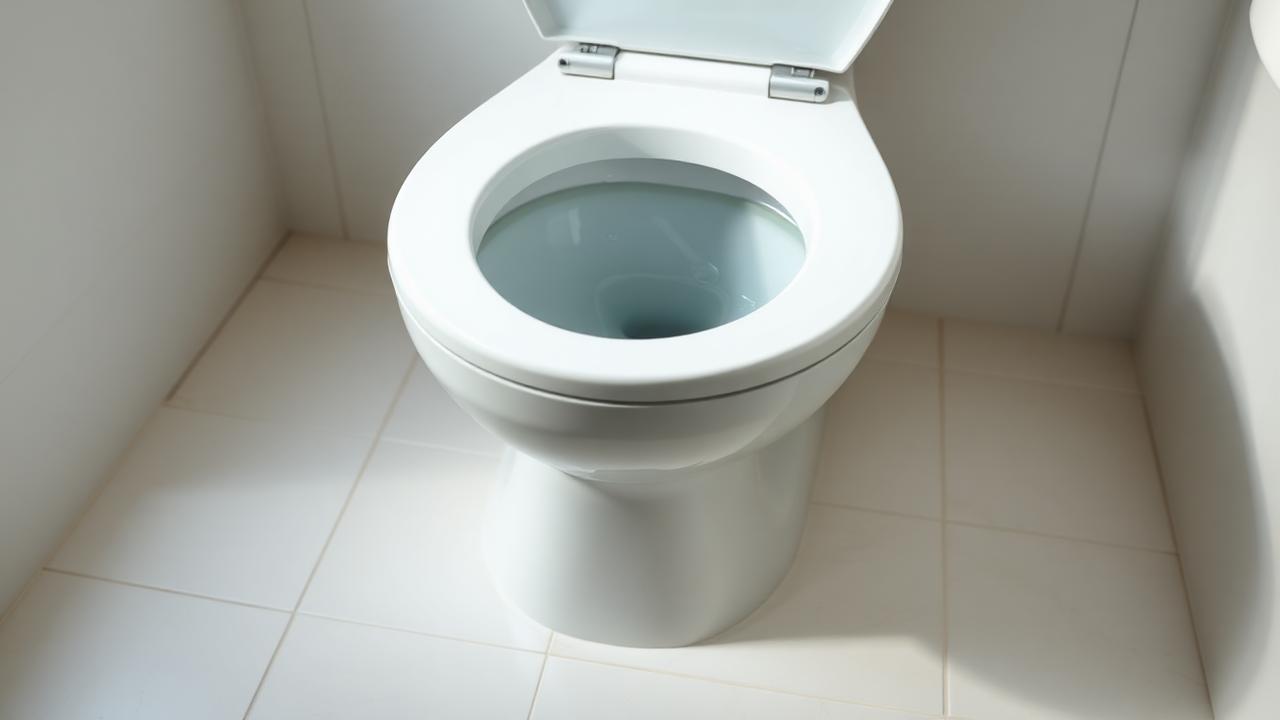
Few household problems are as unpleasant — or as urgent — as a toilet that keeps overflowing. Whether it’s backing up with every flush or spilling water onto your bathroom floor without warning, a repeatedly overflowing toilet is never a problem you should ignore. Here’s why it happens, how to fix it, and when to call a plumber.
Is a Constantly Overflowing Toilet Dangerous?
Yes — and not just in the obvious ways. An overflowing toilet poses:
- Health hazards: Toilet water contains bacteria, viruses, and pathogens including E. coli and Salmonella. Any contact with overflow water requires thorough disinfection.
- Structural damage: Water seeping into floor tiles, subfloor boards, and walls causes rot, mould, and long-term structural damage.
- Mould growth: Bathrooms are already high-humidity environments. Overflow water accelerates mould colonisation within 24–48 hours.
- Electrical risk: If your bathroom has underfloor heating elements or nearby plug sockets, water on the floor can create a serious electrical hazard.
The sooner you identify and address the cause, the better.
The 7 Most Common Reasons Your Toilet Keeps Overflowing
1. A Blocked or Partially Blocked Drain (The Most Common Cause)
This is by far the most frequent reason a toilet overflows. When you flush, waste and water should travel freely down the drain and into the sewer line. If there’s a blockage — partial or complete — the water has nowhere to go and backs up into the bowl, eventually spilling over the rim.
Common blockage causes:
- Excessive toilet paper flushed at once
- “Flushable” wipes (which are not actually flushable — they do not break down like toilet paper)
- Sanitary products, cotton wool, or cotton buds flushed down the toilet
- Small objects accidentally dropped into the bowl
- Build-up of calcium, limescale, or mineral deposits in the drain
How to fix it:
- Use a toilet plunger (a flange plunger, not a flat-cup plunger) to create suction and dislodge the blockage. Plunge firmly with an up-and-down motion for 30–60 seconds.
- For stubborn blockages, use a toilet auger (drain snake) — a flexible cable tool that reaches further into the drain than a plunger can.
- Avoid pouring boiling water into a toilet — this can crack the porcelain. Warm (not boiling) water with a small amount of dish soap can help break down soft blockages.
- If plunging fails, call a licensed plumber. Persistent blockages often indicate a deeper issue in the drain line.
2. A Blocked Sewer Line
If more than one drain in your home is backing up — toilets, bath, shower, or basin — the problem is likely not in the toilet itself but in the main sewer line connecting your home to the municipal sewer system.
A blocked sewer line is a more serious problem that requires professional intervention. Common causes include:
- Tree root intrusion into the sewer pipe (extremely common in Johannesburg’s older suburbs)
- Build-up of grease, fat, and non-flushable waste in the line
- A collapsed or offset pipe section
- Foreign object blockage deep in the line
Signs of a blocked sewer line:
- Multiple drains backing up simultaneously
- Gurgling sounds from drains when you flush or use other water fixtures
- Sewage smell coming from drains or the garden
- Water backing up into your shower or bath when you flush the toilet
Solution: This requires a licensed plumber with drain-clearing equipment (a high-pressure water jetter or electric drain snake). Do not attempt to clear a main sewer blockage yourself.
3. A Faulty or Stuck Float Valve (Cistern Overflow)
Your toilet cistern (the tank behind or above the bowl) has a float valve — a mechanism that stops water filling the cistern once it reaches the correct level. When working correctly, the float rises with the water level and shuts off the supply once the cistern is full.
If the float valve is faulty, worn, misadjusted, or stuck in the open position, the cistern overfills. The excess water then exits through the cistern overflow pipe — a pipe designed to safely discharge overflow water, usually to the outside of the building. However, if the overflow pipe is blocked, too small, or absent (in older installations), the excess water spills into the bowl continuously, causing it to overflow.
Signs of a float valve problem:
- Water constantly trickling into the bowl
- The sound of running water in the cistern even when the toilet hasn’t been flushed recently
- Water dripping from an external overflow pipe on the outside wall of your home
How to fix it:
- Remove the cistern lid and observe the water level. It should sit approximately 25mm below the top of the overflow tube.
- If the float arm is adjustable, bend it slightly downward (on older ballcock valves) or adjust the float screw to lower the shut-off level.
- If the valve diaphragm or seal is worn, the valve will need to be replaced. This is a straightforward repair for a plumber and usually takes under an hour.
4. A Worn or Defective Flapper Valve
The flapper valve (also called a flush valve seal) sits at the bottom of the cistern and controls the release of water into the bowl when you flush. After flushing, it should drop back down and create a watertight seal, allowing the cistern to refill.
If the flapper is warped, worn, coated in mineral deposits, or no longer sealing properly:
- Water continuously leaks from the cistern into the bowl (a “phantom flush” or “ghost flush”)
- The cistern refills constantly, even without flushing
- Over time, this constant trickling can raise the water level in the bowl to the point of overflow — especially if the drain is slow
How to identify it: Place a few drops of food colouring in the cistern. Wait 15 minutes without flushing. If colour appears in the bowl, your flapper is leaking.
How to fix it: Flappers are inexpensive components available at most hardware stores. Turn off the water supply to the toilet, drain the cistern, unhook the old flapper, and fit a new one. If you’re unsure of the size, take the old one to the hardware store for matching. If the flush valve seat itself is damaged or corroded, a plumber will need to replace the full flush valve assembly.
5. A Blocked or Restricted Toilet Trap
Every toilet has an internal S-trap or P-trap — a curved section of the porcelain that holds a small amount of water at all times to block sewer gases from rising into the bathroom. This trap can become blocked with waste, mineral deposits, or foreign objects.
Unlike a drain blockage further down the pipe, a trap blockage is right inside the toilet itself.
Signs of a trap blockage:
- Water rises very slowly in the bowl after flushing
- The toilet drains but takes longer than usual
- Occasional gurgling from the bowl
How to fix it: A toilet auger is the most effective tool — it’s designed to navigate the curve of the trap without scratching the porcelain. If augering fails, the toilet may need to be removed and the trap cleared or the unit replaced.
6. Venting Problems (Blocked or Absent Vent Pipe)
Every drain system requires a vent pipe — a pipe that runs from the drain line up through the roof, allowing air into the system. Without adequate venting, drains create a vacuum that slows drainage dramatically and causes gurgling, slow flushing, and eventually overflow.
Vent pipes can become blocked by:
- Bird nests or debris
- Dead leaves accumulating over the vent opening
- A vent pipe that was incorrectly installed or too short
Signs of a venting problem:
- Gurgling sounds from the toilet, basin, or shower after flushing
- Slow drainage from multiple fixtures simultaneously
- Sewer gas smell in the bathroom (a partially blocked vent can allow gases to enter)
Solution: A licensed plumber can inspect and clear blocked vent pipes. This is not a DIY job, as it involves roof access and specialised equipment.
7. Low-Flow Toilet Flushing Problems
Older low-flow toilets (particularly first-generation models from the early 1990s) sometimes lack sufficient flushing power to clear the trap and drain in a single flush, especially if the water pressure in your home is low. This can result in waste not clearing fully, building up over time, and eventually causing overflow.
Solutions:
- Check that the cistern water level is set correctly — too low reduces flush power
- Consider replacing an ageing low-flow toilet with a modern dual-flush toilet, which is both more effective and more water-efficient
- Have a plumber check your home’s water pressure
What to Do Immediately When Your Toilet Is Overflowing
If your toilet is actively overflowing right now, follow these steps:
- Stop flushing. Every additional flush pumps more water into an already blocked system.
- Remove the cistern lid and push the flapper down manually to stop water entering the bowl.
- Turn off the water supply to the toilet — the isolation valve is usually located on the supply pipe behind or below the cistern. Turn it clockwise to close.
- Don’t use other drains in the home if you suspect a sewer line blockage — this will make the overflow worse.
- Clean up the overflow water immediately using gloves, mop, and disinfectant. Treat all overflow water as contaminated.
- Call a licensed plumber if the cause is not immediately obvious or if plunging does not resolve the blockage.
What NOT to Flush — Ever
The vast majority of repeat toilet overflows are caused by flushing things that should never go down a toilet. The only things that should ever be flushed are:
✅ Human waste ✅ Toilet paper (in reasonable amounts)
Never flush: ❌ “Flushable” wipes or baby wipes ❌ Sanitary pads, tampons, or panty liners ❌ Cotton wool, cotton buds, or cotton pads ❌ Nappies or pull-ups ❌ Condoms ❌ Dental floss ❌ Paper towels or tissues ❌ Medication (dispose of at a pharmacy) ❌ Hair (from brushes or the shower) ❌ Cigarette butts ❌ Food waste
💡 The “3 P” rule: Only Pee, Poo, and Paper go down the toilet. Everything else goes in the bin.
When Should You Call a Plumber for an Overflowing Toilet?
Call a licensed plumber immediately if:
- Plunging and augering have not cleared the blockage
- Multiple drains in the home are backing up simultaneously
- There is sewage smell coming from your drains or garden
- The overflow happens every time you flush, not just occasionally
- Water is leaking from the base of the toilet (indicating a wax ring or seal failure)
- You can hear running water in the cistern constantly
- The toilet is visibly cracked or damaged
Toilet Overflow Repair Costs in South Africa
| Repair Type | Typical Cost Range |
|---|---|
| Basic drain unblocking (plunger/auger) | R500 – R1,500 |
| High-pressure drain jetting | R1,500 – R4,000 |
| Float valve replacement | R600 – R1,800 |
| Flapper valve replacement | R300 – R900 |
| Sewer line inspection (CCTV camera) | R2,000 – R5,000 |
| Sewer line clearing (tree roots) | R3,000 – R10,000 |
| Full toilet replacement | R2,500 – R8,000 |
Prices are indicative and vary by area and plumber. Always request a written quote.
Preventing Future Toilet Overflows
- Only flush the 3 Ps — Pee, Poo, and Paper
- Don’t use your toilet as a bin — keep a lidded waste bin in every bathroom
- Schedule annual drain maintenance — a plumber can jet your drains clear before blockages become emergencies
- Check your cistern annually — inspect the float, flapper, and overflow tube for wear
- Have tall trees near your sewer line inspected — tree root intrusion is silent until the pipe is fully blocked
- Monitor how your toilet flushes — a slow or weak flush is an early warning sign of a developing blockage
Need a Plumber in Johannesburg for an Overflowing Toilet?
If you’re in Joburg and dealing with a toilet that keeps overflowing, Joburg Plumbers connects you with verified, PIRB-registered plumbers across all areas — including Sandton, Randburg, Roodepoort, Midrand, Soweto, Boksburg, Germiston, Kempton Park, and across the East Rand, West Rand, Joburg North, and Joburg South regions.
Available for emergency call-outs — don’t wait for a small blockage to become a major health hazard.
This article is intended as general guidance only. Always use a PIRB-registered plumber for drain clearing, cistern repairs, and toilet installations in South Africa.